

Crystal Bracelet Guides
Crystal Bracelet for Wealth and Success: Design an Abundance Reminder

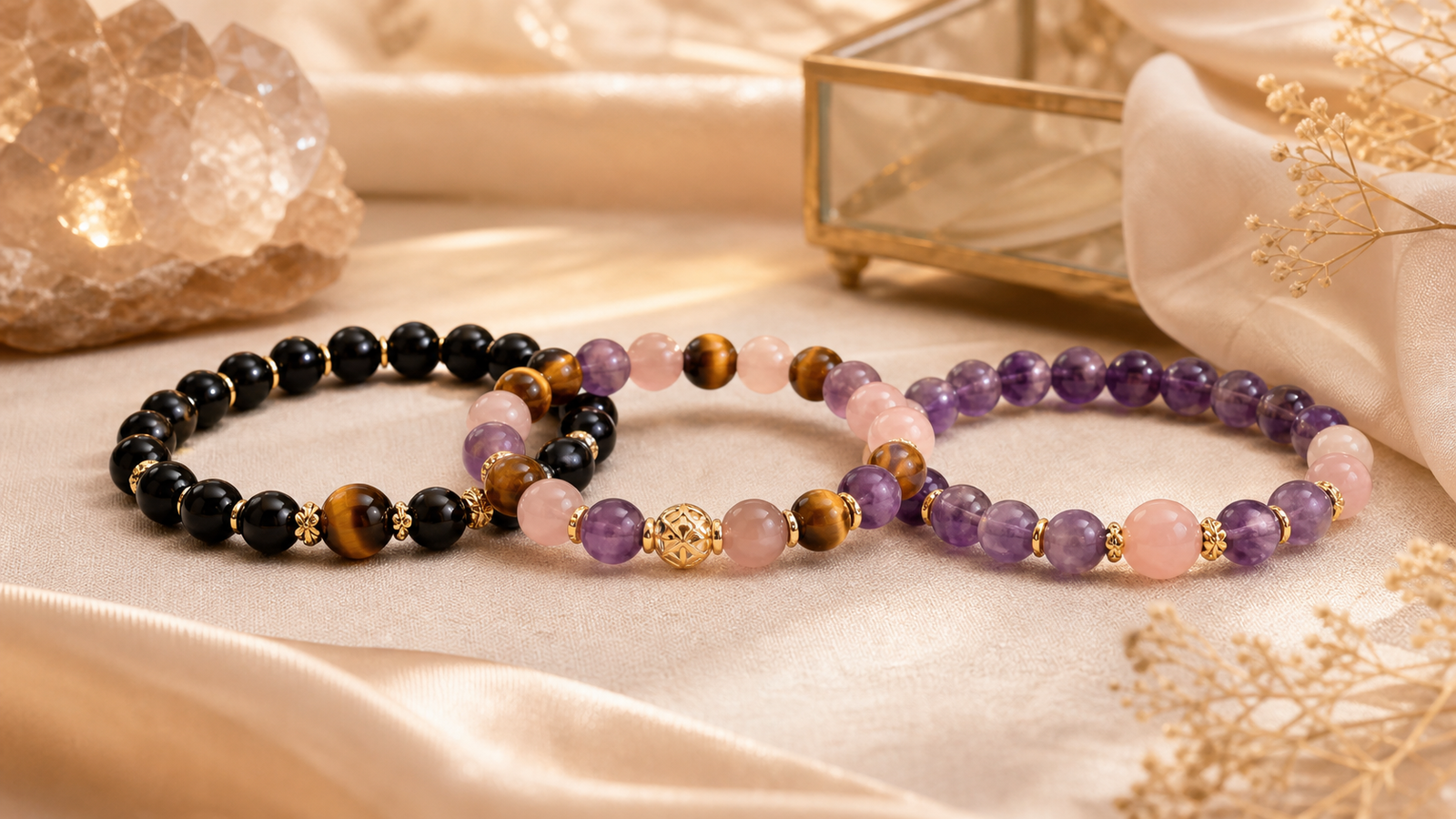
Have you ever reached for a bracelet because its colors or texture felt meaningful before you could explain why? A wealth and success crystal bracelet can become a simple daily anchor: a piece of natural gemstone jewelry that keeps your chosen intention visible while you move through work, travel, gifting, or quiet personal rituals. As a crystal artisan at Audday, I design around the wearer’s story, comfort, and style rather than treating one stone as a guaranteed solution.
What makes a wealth and success crystal bracelet feel personal?
The strongest design usually starts with a clear sentence. You might want to feel a confident, action-oriented abundance ritual, create a thoughtful birthday gift, or build a bracelet stack whose colors reflect a new season of life. Audday brings together Eastern numerology-inspired reflection and Western astrology language as optional ways to organize that story. This is a spiritual and creative practice, not a promise of supernatural, medical, or financial outcomes.
Which gemstones can support the design direction?
Popular choices include citrine, green aventurine, and tiger eye. Each gemstone has its own natural color, translucency, inclusions, hardness, and surface character. Instead of asking which stone is universally best, compare how the combination looks on your wrist and whether the meaning feels relevant to your intention. A focal stone can be balanced with neutral separators, a smaller bead size, or a second color that makes the bracelet easier to wear every day.
For a made-to-order result, Design Your Custom Energy Bracelet Now. You can also begin with the custom energy interpretation page to reflect on your birthdate and intention before choosing a gemstone direction.
How to choose the right fit and finish
1. Decide how you will wear it
Choose a flexible stretch bracelet for easy daily wear, or ask about a more structured design if the piece is primarily for styling and gifting. Measure the wrist comfortably, leaving room for movement without making the bracelet loose.
2. Check the bead scale
Smaller beads create a delicate look and layer well. Larger beads make a stronger focal point. Mixing sizes can add rhythm, but the bracelet should still feel balanced and comfortable during normal movement.
3. Make the meaning visible
Write a short intention card with the design. This turns the bracelet into a repeatable ritual: pause, notice the color and texture, and reconnect with the action you want to take. It is a useful approach for yourself or for a personalized gift.
Care, honesty, and everyday use
Keep gemstone jewelry away from harsh chemicals, prolonged soaking, and impact. Wipe it gently with a soft cloth and store it separately to reduce scratches. Natural stones vary, so small differences are part of the material rather than a defect. Crystal bracelets are accessories for reflection and personal meaning; they do not replace professional medical, psychological, legal, or financial guidance.
FAQ
Can I combine several stones?
Yes. Combining stones is often the easiest way to balance color, texture, and a layered intention.
Is this bracelet only for spiritual practice?
No. Many customers choose gemstone jewelry for its color, craftsmanship, symbolism, and gifting value.
Can Audday make a custom size?
Yes. Share the wearer’s wrist measurement and preferred fit so the design can be prepared more comfortably.
Read the Gemstone Material Analysis before choosing bead size, finish, inclusions, and natural stone character. For a made-to-order result, visit the Custom Bracelet page.
Practical questions to ask before ordering
A useful article should help a reader make a decision, not only describe a mood. Before ordering, check the exact bead diameter, approximate wrist size, closure or elastic construction, finish, and expected natural variation. If the page is about a gift, confirm the occasion and the recipient’s existing style. If it is about personal intention, decide whether the bracelet will be worn daily, layered occasionally, or kept for a specific ritual. These details affect the best material and proportion more than a dramatic description alone.
Ask how the bracelet should be stored, whether water and chemicals should be avoided, and what to do if elastic becomes loose. A responsible maker should explain that natural stones can show differences from photographs. Those differences can include lighter or darker areas, inclusions, banding, cloudy sections, tiny surface marks, and variations in polish. Such details are part of natural material character. They should be described clearly so the customer knows what to expect.
How to make the design feel intentional
Start with one visual anchor. This may be a focal stone, a repeated color, a metal accent, or a contrast between light and dark beads. Add supporting materials only when they improve the overall rhythm. Too many competing colors can make a bracelet look accidental, while one thoughtful contrast can make the design feel complete. Consider the wearer’s skin tone, wardrobe, watch, rings, and whether they prefer quiet jewelry or expressive stacks.
For a custom order, prepare a short brief with the wearer, wrist measurement, bead size, main color, secondary colors, occasion, intention, budget, and preferred finish. Reference images are useful for mood, but they should not be treated as a promise of an identical copy. A handmade design translates the reference into available natural materials and a comfortable arrangement. Reviewing the brief before production reduces misunderstandings and creates a more transparent experience.
Everyday styling and care
Wear the bracelet where it can be seen without being exposed to unnecessary friction. Leave space between it and a watch or harder metal edge. Roll elastic jewelry gently over the hand rather than pulling one section repeatedly. Remove it before swimming, showering, intense exercise, sleeping, or household cleaning. Wipe the beads with a soft dry cloth and store the piece separately in a pouch or lined box.
Rotate jewelry instead of wearing one elastic strand through every activity. Check for gaps, fraying, weak tension, chipped beads, or a clasp that no longer closes securely. Early inspection can prevent a break and protects the small design decisions that make a handmade bracelet feel personal. If repair or restringing is needed, stop stretching the piece and seek maker or jeweler guidance.
Symbolism without exaggerated promises
Crystal and zodiac symbolism can be meaningful when it is presented as a personal language. A color can remind someone to pause. A birthstone can mark a birthday. A chakra palette can represent a personal reflection practice. A dark stone can become a reminder of boundaries, while a pink or green palette can recall care and connection. None of these associations should be presented as a guaranteed treatment, financial result, or prediction.
The most trustworthy description separates material facts from personal interpretation. Material facts include color, texture, bead size, finish, construction, and care. Interpretation belongs to the wearer and may change over time. This approach respects both the natural stone and the customer’s ability to decide what the bracelet means.
Final buying checklist
- Does the primary color suit the wearer’s wardrobe?
- Is the wrist measurement accurate and comfortable?
- Is the bead size appropriate for daily movement?
- Are natural variations and care needs explained?
- Does the bracelet have a clear construction and finishing description?
- Is the symbolism framed as personal meaning rather than certainty?
- Are the return, delivery, and support details easy to find?
- Would the wearer actually choose to put it on tomorrow?
A meaningful crystal bracelet is ultimately a relationship between material, design, and daily life. Let the stone provide character, let the color carry a story, and let the fit determine whether the piece becomes part of a real routine. Audday’s handmade approach begins with that practical balance and leaves room for the wearer’s own interpretation.