

Crystal Bracelet Guides
How to Choose Beads for a Crystal Bracelet: A Practical DIY Guide

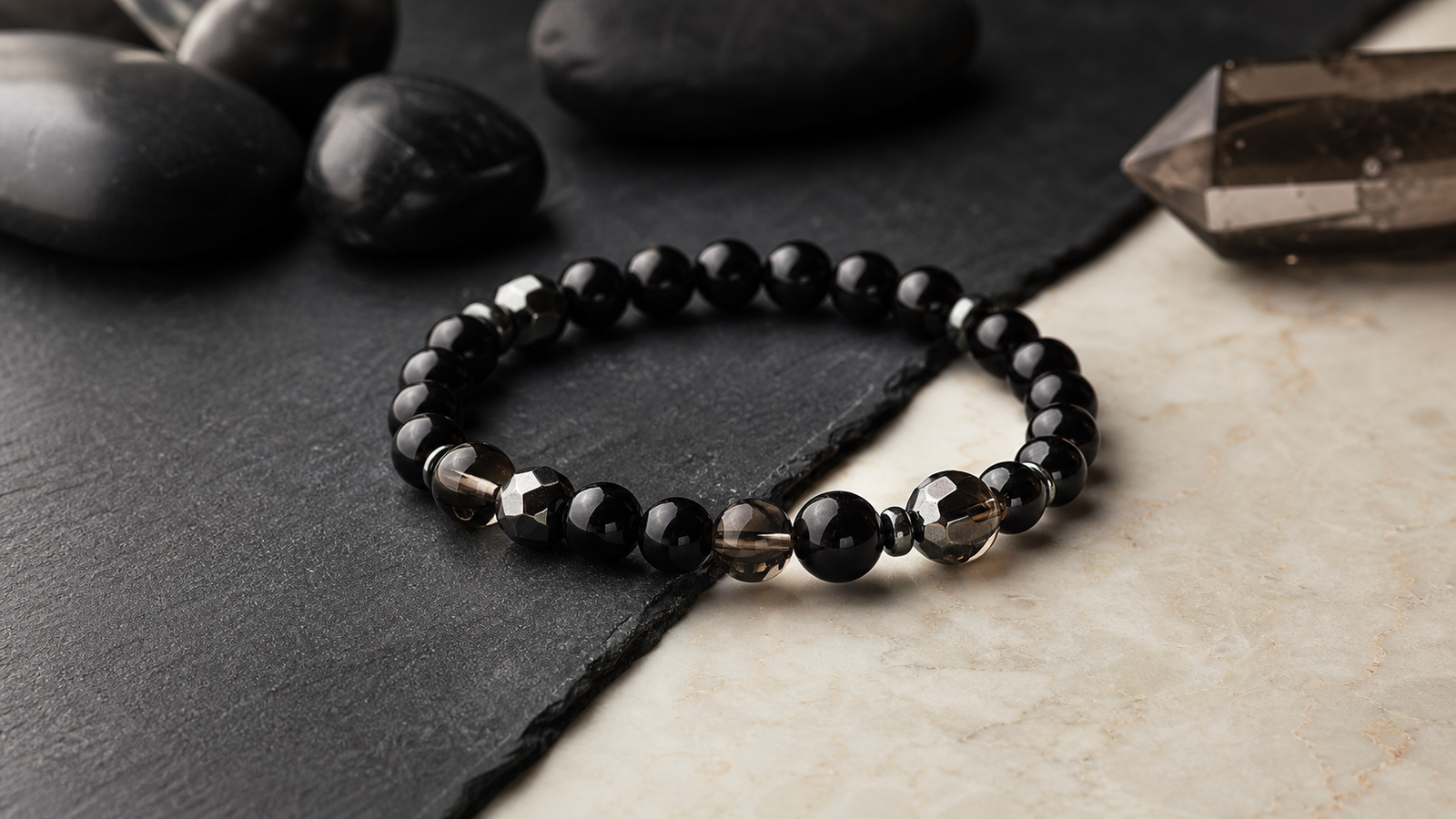
Learning how to choose beads for a crystal bracelet is less about chasing a perfect formula and more about creating a strand you will actually wear. Start with wrist fit, bead size, color, surface finish, and the natural character of the materials. A thoughtful choice also makes DIY repairs and custom orders easier, because you know which details matter most. Audday’s handmade approach begins with the same practical questions: how should the bracelet sit, what will it be worn with, and which materials tell the right personal story?
Choose bead size and material before building a palette
Smaller beads often feel lighter and easier to stack, while larger beads create a clearer focal point. Round beads are versatile, while faceted beads add more light and texture. Natural gemstones may vary in tone, inclusions, and polish; those differences are a normal part of the material rather than a defect. Use Audday’s gemstone material analysis page to compare material character, then explore the bracelet collection for proportion ideas.
Balance color, fit, and daily care
Choose one leading color and one or two supporting tones so the design does not compete with itself. Test a few beads beside a watch, rings, or the sleeve colors you wear most. Measure the wrist where the bracelet will sit and allow enough ease for movement; do not force elastic over the hand. For a more personal direction, the custom energy interpretation page can help organize an occasion or intention, and Audday’s custom bracelet page lets you turn that brief into a handmade design. Keep beads away from harsh chemicals, long soaking, and hard impacts to protect both surfaces and cord.
Frequently asked questions
What bead size is easiest to wear daily?
Choose the size that feels comfortable beside your usual jewelry; smaller beads are often easier to layer.
Can I mix stone colors?
Yes. Use one leading tone with a small number of supporting colors for a clearer, more wearable result.
Do crystal beads guarantee a benefit?
No. Use color and symbolism as personal expression, not medical, financial, or other professional advice.
Start with the purpose of the bracelet
Choosing beads for a crystal bracelet is easier when the purpose is clear. A bracelet for everyday wear may need balanced colors, a comfortable diameter, and durable construction. A meditation reminder can prioritize tactile surfaces and a calm palette. A gift may need a story that connects the colors to the recipient. A DIY project can focus on learning, experimentation, or using a small collection of favorite materials. Write one sentence about the intended use before buying supplies. That sentence becomes a filter for bead size, material, quantity, spacer choice, and finishing method, so the design does not become a random mixture of attractive stones.
Natural, treated, reconstructed, and synthetic materials
The word crystal is used broadly in jewelry. Natural gemstones form in nature and show variation in color, inclusions, banding, and translucency. Treated stones may have been heated, dyed, stabilized, coated, or otherwise enhanced. Reconstructed or composite materials are made from fragments or powders, while synthetic materials are produced to replicate a mineral or visual effect. None of these labels automatically determines quality, but the buyer should know which one is being used. Audday’s Gemstone Material Analysis explains why disclosure matters. Choose a material whose appearance, budget, and care requirements fit the project.
How bead diameter changes the look
Common bracelet diameters include 4 mm, 6 mm, 8 mm, and 10 mm, although suppliers vary slightly. Smaller beads create a delicate rhythm and leave room for layering. Medium beads are versatile for daily wear and balanced patterns. Larger beads make a stronger focal statement and may feel heavier on a smaller wrist. Diameter also changes how many beads fit around the circumference. Do not copy a bead count from another design without checking the actual hole size, spacer thickness, and wrist measurement. Make a paper or digital mock-up first, then confirm that the planned count can close comfortably without excessive tension.
Match size to the wearer
Measure the wrist where the bracelet will sit, then decide whether the preferred fit is close, relaxed, or suitable for stacking. The hand must pass through a stretch bracelet, so the opening needs enough ease without making the finished piece loose. An adjustable bracelet can use fewer beads but requires a comfortable closure and enough cord for movement. For a surprise gift, compare a bracelet the recipient already wears instead of guessing from height or clothing size. Bead diameter, spacer thickness, and the construction method all affect the final circumference, so communicate the full plan to the maker.
Build a palette before buying
Select one base color, one supporting color, and one accent. A neutral base such as black, cream, gray, or brown can make brighter stones easier to wear. Blue and green can feel cool and calm; warm gold, orange, and red can add energy; pink and lavender can create a softer direction. These impressions are aesthetic choices, not promises of a medical or supernatural result. Put sample beads beside clothing, a watch, or existing jewelry. If the colors look good under both indoor and natural light, the finished bracelet is more likely to remain wearable after the original inspiration fades.
Create visual rhythm
A good bracelet usually has a readable center. Choose one focal bead, a repeated pair, or a symmetrical sequence rather than placing every interesting bead in one row. Spacers can separate colors and clarify the pattern, while smaller accent beads can transition between different diameters. Symmetry feels formal; an intentional asymmetrical arrangement feels more relaxed. Lay all beads on a towel or design board before stringing. Photograph the arrangement so you can restore it if a bead rolls away. This simple step reduces mistakes and makes it easier to compare two possible patterns before committing to the cord.
Think about hole size and stringing
Bead holes are not always identical, even when the outside diameter is similar. A larger hole may need a thicker cord, a knot cover, or a spacer to prevent movement. A small hole can limit the choice of elastic, wire, or adjustable cord. Check that the stringing material passes smoothly without forcing it. Stretch cord should be pre-stretched according to the maker’s instructions, but never pulled to its limit during design. Wire and clasp systems need crimping tools and a secure finishing method. If you are new to jewelry making, practice the knot or closure on inexpensive beads before using rare materials.
Choose a construction method
Stretch bracelets are simple to put on and have a clean appearance, but the elastic should be inspected and protected from repeated overextension. Adjustable cord suits people who want flexible sizing and can be easier to remove, although the knot and sliding section need comfortable placement. Wire-and-clasp designs can feel more structured and may be a good option for heavier beads, but they require careful crimping and hardware selection. The best method depends on routine, wrist size, dexterity, bead weight, and how often the bracelet will be removed. Custom orders should state these preferences before assembly.
Use symbolism as a design layer
Many people choose stones because of birth months, zodiac associations, cultural traditions, or intention words such as focus, calm, love, or protection. These meanings can guide a color story and make a gift feel personal. They should not be written as guaranteed healing, luck, or protection claims. Use symbolic language honestly: a bracelet can be a reminder of a goal, a ritual object for reflection, or an attractive piece of handmade jewelry. Audday’s Energy Reading can provide a creative prompt, while the physical design should still be chosen for comfort, appearance, and disclosed materials.
Plan the quantity and budget
Buying too many beads is one of the easiest ways for a DIY project to lose focus. Estimate the circumference, bead diameter, spacer count, and a small replacement allowance before ordering. Natural beads can include a few pieces with different color or surface characteristics, so purchase enough to select a consistent group. Compare cost per strand with cost per bead and include cord, clasps, tools, shipping, and possible mistakes. A modest palette with reliable materials often looks more refined than a large collection forced into one bracelet. Keep leftover beads labeled for repairs or a future matching piece.
Inspect quality without demanding sameness
Quality does not mean every natural bead is identical. Look for chips, cracks, sharp edges, poorly drilled holes, loose coatings, and signs of unstable dye. Minor inclusions or color changes can be normal and may help identify natural material. Ask the supplier how the stones were treated and whether the holes are suitable for the intended cord. Hold beads under consistent light and compare them to the listing photographs, while remembering that screens change color. A thoughtful design brief allows the maker to balance natural character with a coherent final palette instead of rejecting every individual variation.
Design for clothing and routine
A bracelet for office wear may benefit from medium beads and a restrained palette. A travel bracelet should be easy to store and resistant to the owner’s actual routine. A piece intended for layering needs a scale that does not compete with watches or sleeves. If the wearer cooks, gardens, exercises, or washes hands frequently, plan for removal and simple care. Tell the maker about water, heat, fragrance, and impact exposure. This information can influence stone choice, surface finish, clasp placement, and the recommendation to use a separate activity-safe accessory.
Care should be decided before assembly
Avoid designing a bracelet around a material whose care requirements conflict with the wearer’s habits. Keep gemstone jewelry away from prolonged soaking, harsh cleaners, extreme heat, and hard impact unless the maker confirms otherwise. Wipe it with a soft cloth, dry it naturally, and store it separately from sharp metal pieces. Check elastic, clasps, and knots regularly. If a bracelet becomes loose or develops a sharp edge, stop wearing it and ask about restringing. Clear care notes are part of a successful DIY project, not an afterthought added only when something goes wrong.
When a custom process is better
DIY is rewarding when the goal is learning or personal expression. A custom order may be more efficient when the recipient has a precise fit, a complex color story, limited dexterity, or a deadline. Custom does not automatically mean better; it means an experienced maker helps translate a brief into materials and construction. Audday’s Custom Bracelet process lets you share wrist size, bead preferences, intention, and daily conditions. Liam can review proportion and comfort while explaining that natural stones will vary from sample images.
A practical approval checklist
Before stringing, confirm the wearer, occasion, intention, palette, metal tone, bead diameter, wrist measurement, construction method, material disclosure, care conditions, replacement allowance, and delivery date. Arrange the beads in order and count them twice. Test the closure or knot on scrap cord. Check that no sharp hole edge faces the skin. Take a photo and keep a written bead list. This checklist does not remove creativity; it protects the practical decisions that allow the finished bracelet to remain comfortable, repairable, and visually coherent.
Make the final design feel intentional
The strongest bead designs are not necessarily the most complicated. They have a clear story, a comfortable fit, and enough visual breathing room for each material to be seen. Let one or two stones lead, use accents with purpose, and accept the natural variations that make handmade jewelry individual. If you are uncertain, reduce the palette instead of adding another color. Review the piece from a distance and while wearing it with ordinary clothing. A bracelet that works in everyday life will communicate its meaning more successfully than one that only looks impressive on a workbench.
Frequently Asked Questions
What bead size is best for a crystal bracelet?
Six to eight millimeter beads are versatile for many adults, but wrist size, style, weight, and layering preferences should decide the final diameter.
How many beads do I need for one bracelet?
The number depends on wrist circumference, bead diameter, spacer thickness, and construction. Arrange a sample row and measure rather than copying a generic count.
Can I mix different natural stones?
Yes, when the colors, surfaces, care requirements, and bead sizes are compatible. Choose a clear focal material and disclose natural variation.
Should I make a bracelet myself or order custom?
DIY suits experimentation and learning. Custom is useful for precise sizing, complex briefs, deadlines, or expert material and construction guidance.
How to choose beads for a crystal bracelet: start with constraints
The first decision is not a stone name. It is what the bracelet must do in ordinary life. Will it be worn beside a watch? Does the wearer type for long periods, pull on fitted sleeves, or remove jewelry before exercise? Those details determine how much bead diameter, weight, and surface texture feel comfortable. Set a wrist measurement and preferred closeness before buying a full strand. Then choose two or three candidate materials and compare actual samples. A shorter, better-defined shortlist makes a handmade design easier to finish and later repair.
Keep a small working record: stated material name, bead diameter, hole diameter if supplied, finish, weight impression, seller treatment disclosure, price, and why the color belongs in the design. This prevents a common DIY mistake: buying every attractive bead first and trying to force them into one bracelet afterward. A simple brief might say “mostly cool grey, one pale blue accent, smooth round beads, no sharp metal spacer, and a comfortable fit beside a watch.” The maker can refine that sentence; it is already more useful than a long list of supposed metaphysical benefits.
Inspect a sample bead before ordering the whole strand
Look at the surface under soft daylight and rotate the bead. Is the polish consistent, or does one side feel rough? Check the hole rim; a sharp edge can wear against cord or elastic. Compare several beads together because natural stones can vary in color, inclusions, transparency, and pattern. Variation is not automatically a flaw, but it should be disclosed honestly and arranged deliberately. If a material is represented as natural, ask whether it is dyed, coated, reconstructed, synthetic, or otherwise treated when those distinctions matter to your purchase.
The gemstone material analysis page gives a broader framework for material questions. Use it beside a photograph of the actual beads if possible, not only a highly edited hero image. Do not conclude that a bead is authentic simply because it has inclusions, or fake because it looks even. Accurate identification may require expertise or documentation. A practical DIY buyer can still make a good design decision by insisting on a clear material name, visible condition, and suitable hole finish.
Test diameter, cord, and the interior opening together
Six-millimeter beads often create a lighter visual line than ten-millimeter beads, but the final feel depends on material density, the number of beads, and wrist size. A bead-count estimate based on outer circumference can be misleading because thick beads reduce the inner opening. Lay out a sample circle and check it on a wrist or sizing form before committing to a knot. If the bracelet uses elastic, select cord that passes through the drilled holes without forcing or abrading it. If using a clasp, account for the clasp length and the way it sits against the wrist.
Test the heaviest or most textured beads in the layout first. A single focal bead may be enough to express the design without making the entire strand bulky. Consider where the focal bead lands when the bracelet rotates. If it must remain at a fixed position, a simple stretch design may not provide the visual control you expect. Designing for actual movement avoids disappointment that only appears after the piece is worn for an hour.
Build a color rhythm rather than a shopping list
Choose an anchor material, a supporting color, and possibly a small accent. Repeat colors at intervals instead of placing every special bead in one cluster unless that cluster is the intentional focal point. Photograph the layout in daylight and again beside the wearer’s usual clothing. If one stone dominates for an unexpected reason, reduce its bead count or move it away from another strong texture. If the arrangement feels flat, add contrast through diameter or finish before adding a third saturated color.
Audday’s handmade work comes from the colored-gemstone craft environment of Haifeng, Shanwei, Guangdong. We look at natural variation across a whole strand, the comfort of bead edges, the cord path, and the way the design reads at normal viewing distance. A stone can carry a personal symbol, but no crystal choice guarantees health, wealth, protection, or another outcome. Use the energy reading as a reflective prompt if you like, then take your material, color, and size decisions to the custom bracelet designer for a real construction brief.
Plan repairability before tying the final knot
Set aside a few matching beads when possible, note the cord type and date of assembly, and keep the material list. If the bracelet stretches or one bead chips, those details make repair more straightforward. Do not hide a weak bead hole by simply tightening the cord. If the hole is rough, replace the bead or ask a professional maker whether it can be used safely. A design built for maintenance is more useful than one that only looks polished in the first photograph. Gentle wiping and separate storage will also reduce avoidable surface wear.
Before final assembly, ask yourself whether the bracelet still works if one accent bead is removed. If yes, the visual system is likely robust. If not, reconsider whether the layout depends too heavily on a single component. The strongest DIY result feels intentional, fits without constant adjustment, uses clearly named materials, and can be cared for without a complicated ritual.