

Crystal Bracelet Guides
How to Present a Crystal Bracelet Gift: Packaging, Notes, and Meaning

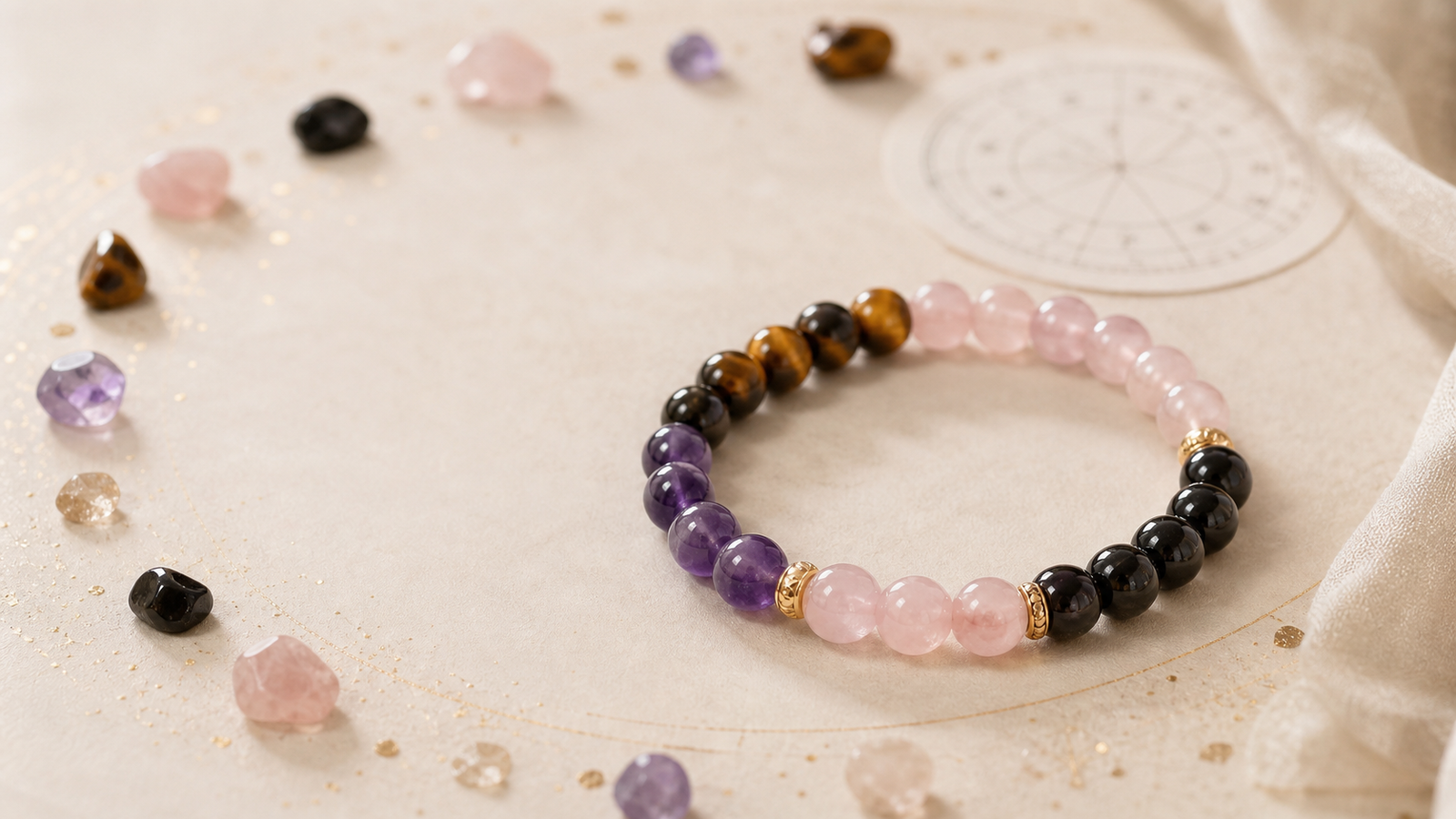
A crystal bracelet gift becomes more memorable when the presentation explains why you chose it. The bracelet does not need extravagant packaging; it needs a comfortable fit, a protected finish, and a message connected to the recipient. Whether the occasion is a birthday, graduation, anniversary, new job, or simple thank-you, combine natural gemstone color with a note that sounds like you.
Start with the recipient, not a generic stone meaning
Think about the person’s wardrobe, daily routine, and jewelry preferences. Someone who wears neutral clothing may enjoy black, brown, gray, or clear beads. Someone who likes color may prefer rose, green, blue, or a balanced mixed palette. Symbolism can help you choose a direction, but it should remain personal language: a reminder of confidence, a wish for calm, or a celebration of a fresh chapter. Audday’s energy interpretation page can help turn an occasion into a thoughtful design prompt.
Choose protective packaging
Place the bracelet in a soft pouch or a rigid gift box so the beads do not rub against keys, metal accessories, or rough surfaces during transport. If the piece uses elastic, avoid folding it sharply or stretching it over an oversized insert. Add a small care card: remove the bracelet before swimming, showering, exercise, and chemical cleaning; wipe it with a soft cloth; and store it separately between wears.
Write a note that feels genuinely personal
A strong gift note names the moment rather than making a broad promise. You might mention the late nights behind a graduation, the patience of a new parent, the courage of a move, or a shared memory from a trip. If you describe a stone, say “I chose this color as a reminder of…” rather than “this stone will…” That distinction keeps the gift warm, honest, and respectful.
Make the design feel handmade
Audday selects natural gemstones for color, texture, and proportion, then assembles designs by hand with the wearer’s story in mind. For a measured fit and personal palette, start a custom bracelet. For ready-to-wear inspiration, explore the bracelet collection. A gift can also include a link to the gemstone material analysis so the recipient can learn about natural variation.
Frequently asked questions
Should I include a printed stone-meaning card?
You can include a short symbolic explanation, but frame it as personal tradition or design inspiration rather than a guaranteed result.
What if I do not know the wrist size?
Ask a friend or family member, compare an existing bracelet, or choose a design service that can confirm fit before production.
How should the recipient care for it?
Keep it dry when possible, avoid harsh chemicals and impact, and store it separately in a soft pouch.
Practical questions to ask before ordering
A useful article should help a reader make a decision, not only describe a mood. Before ordering, check the exact bead diameter, approximate wrist size, closure or elastic construction, finish, and expected natural variation. If the page is about a gift, confirm the occasion and the recipient’s existing style. If it is about personal intention, decide whether the bracelet will be worn daily, layered occasionally, or kept for a specific ritual. These details affect the best material and proportion more than a dramatic description alone.
Ask how the bracelet should be stored, whether water and chemicals should be avoided, and what to do if elastic becomes loose. A responsible maker should explain that natural stones can show differences from photographs. Those differences can include lighter or darker areas, inclusions, banding, cloudy sections, tiny surface marks, and variations in polish. Such details are part of natural material character. They should be described clearly so the customer knows what to expect.
How to make the design feel intentional
Start with one visual anchor. This may be a focal stone, a repeated color, a metal accent, or a contrast between light and dark beads. Add supporting materials only when they improve the overall rhythm. Too many competing colors can make a bracelet look accidental, while one thoughtful contrast can make the design feel complete. Consider the wearer’s skin tone, wardrobe, watch, rings, and whether they prefer quiet jewelry or expressive stacks.
For a custom order, prepare a short brief with the wearer, wrist measurement, bead size, main color, secondary colors, occasion, intention, budget, and preferred finish. Reference images are useful for mood, but they should not be treated as a promise of an identical copy. A handmade design translates the reference into available natural materials and a comfortable arrangement. Reviewing the brief before production reduces misunderstandings and creates a more transparent experience.
Everyday styling and care
Wear the bracelet where it can be seen without being exposed to unnecessary friction. Leave space between it and a watch or harder metal edge. Roll elastic jewelry gently over the hand rather than pulling one section repeatedly. Remove it before swimming, showering, intense exercise, sleeping, or household cleaning. Wipe the beads with a soft dry cloth and store the piece separately in a pouch or lined box.
Rotate jewelry instead of wearing one elastic strand through every activity. Check for gaps, fraying, weak tension, chipped beads, or a clasp that no longer closes securely. Early inspection can prevent a break and protects the small design decisions that make a handmade bracelet feel personal. If repair or restringing is needed, stop stretching the piece and seek maker or jeweler guidance.
Symbolism without exaggerated promises
Crystal and zodiac symbolism can be meaningful when it is presented as a personal language. A color can remind someone to pause. A birthstone can mark a birthday. A chakra palette can represent a personal reflection practice. A dark stone can become a reminder of boundaries, while a pink or green palette can recall care and connection. None of these associations should be presented as a guaranteed treatment, financial result, or prediction.
The most trustworthy description separates material facts from personal interpretation. Material facts include color, texture, bead size, finish, construction, and care. Interpretation belongs to the wearer and may change over time. This approach respects both the natural stone and the customer’s ability to decide what the bracelet means.
Final buying checklist
- Does the primary color suit the wearer’s wardrobe?
- Is the wrist measurement accurate and comfortable?
- Is the bead size appropriate for daily movement?
- Are natural variations and care needs explained?
- Does the bracelet have a clear construction and finishing description?
- Is the symbolism framed as personal meaning rather than certainty?
- Are the return, delivery, and support details easy to find?
- Would the wearer actually choose to put it on tomorrow?
A meaningful crystal bracelet is ultimately a relationship between material, design, and daily life. Let the stone provide character, let the color carry a story, and let the fit determine whether the piece becomes part of a real routine. Audday’s handmade approach begins with that practical balance and leaves room for the wearer’s own interpretation.
Make the unboxing clear before making it elaborate
A gift box should protect the bracelet, explain the contents, and let the recipient remove the piece without tugging on its cord. Place the strand in a soft pouch or a padded box sized to keep it from sliding. If the bracelet has a focal bead or charm, position that element so it does not press against a hard lid. Avoid fastening elastic around a display cushion that stretches it continuously. A simple insert with the stone name, bead size, finished bracelet size, and care instructions is more useful than a pile of decorative paper that obscures the actual piece.
If you are shipping the gift, secure the inner box so it cannot rattle inside a larger mailer. Keep any printed message flat and separate from the beads. Do not include loose dried flowers, rough confetti, or scented oils against porous stones unless you know the materials can tolerate them. Photograph the packed arrangement before sealing it, especially when a gift is going directly to the recipient. This gives the buyer and maker a shared record of what was included without promising a particular shipping outcome.
Write a note that gives the wearer room to interpret
A personal note can be only two or three sentences. Name the occasion, connect the color or design to a real memory, and end with an open wish. For example: “The blue beads reminded me of our walk by the sea. I hope this becomes a small reminder of that day whenever you choose to wear it.” This says more than a generic card claiming that a mineral will fix a difficult week. A second note might explain practical choices: “I asked for smaller beads because I know you prefer quiet jewelry.” Specific observation feels more personal than borrowed mystical language.
If the recipient enjoys crystal traditions, you can mention a symbolic association as an invitation: “Some people connect this color with reflection.” Avoid framing it as medical treatment, guaranteed protection, or a prediction of future events. If they do not enjoy spiritual language, describe the natural stone, handmade process, or shared story instead. Audday’s energy reading can help the giver explore a reflective theme, but the bracelet belongs to the wearer and their interpretation may differ from the giver’s.
Plan the size handoff before the surprise
The most thoughtful gift can still be uncomfortable if the fit is wrong. If you can measure an existing bracelet the person wears often, record its inner circumference or finished length and note whether it sits close or loose. For round beads, remember that bead diameter changes how much room the strand feels like it has on the wrist. If you cannot obtain a reliable measurement, ask the seller about an adjustable option or a straightforward resizing process. Put the adjustment details with the care card so the recipient does not have to guess how to ask for help.
Consider whether the surprise is the design or the exact size. It is fine to reveal a color story and invite the recipient to confirm the fit before final assembly. That can protect both the gift and the relationship. A message such as “I chose the stones; let’s make sure the bracelet fits you” keeps the gesture warm without treating a needed adjustment as rejection. For a made-to-order design, share the recipient’s habits and preferred colors through Audday’s custom bracelet process before the work begins.
Include a material record the recipient can actually use
A short material card should distinguish natural gemstones from dyed, treated, coated, or imitation beads when those details apply. It should also name the metal or cord and explain any care limits. Natural color and inclusions vary; an honest card prepares the recipient for that variation and helps them identify a replacement bead if the bracelet is repaired later. Audday’s gemstone material analysis offers the vocabulary for comparing finish, translucency, and bead size. Keep the card concise enough to read at unboxing, then link to deeper guidance for someone who wants it.
Presentation can turn a purchase into a lasting keepsake, but it should not hide the practical object. A well-sized, repairable bracelet with clear materials and a personal note will usually age better than elaborate packaging around an unexplained product. The best gift gives the recipient both a story and the freedom to wear, resize, restyle, or simply appreciate the jewelry in their own way.