
Crystal Bracelet Guides
Charm Bracelet Trend 2026: Make It Meaningful

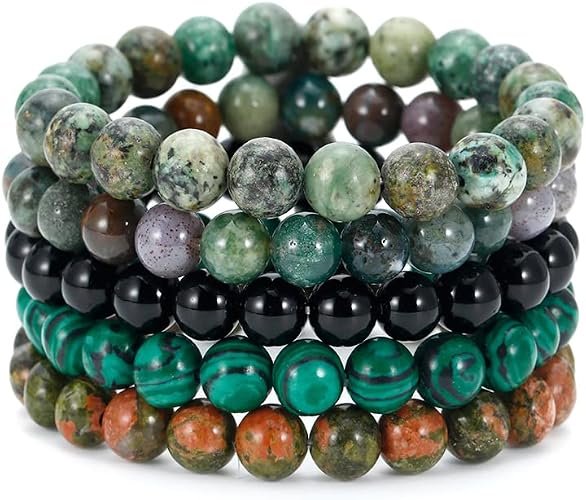
Charm bracelet trend 2026: the most useful direction is jewelry that can record a personal story and change with its wearer. For a crystal bracelet, that does not mean adding every popular symbol to one strand. It means choosing a comfortable base, a small number of intentional details, and materials you can identify and care for. This guide translates dated jewelry-industry reporting into practical decisions about bead scale, natural-stone variation, charms, construction, and gifting. Audday designs handmade gemstone bracelets; we treat crystal meanings as optional personal symbolism, never as medical, financial, or protective guarantees.
What the 2026 reports actually say
Trade supplier Stuller identified personal storytelling, color, and charm-based customization in its 2026 trend coverage. Its October 14, 2026 holiday report specifically lists charms and charm chains among six gift-oriented design directions. The report discusses a foundation that can accept meaningful additions over time. That is an industry perspective from a company selling jewelry components, not independent evidence that every customer wants charms or that one design will rise in value. Audday uses it as a design prompt. Our recommendation remains to start with the wearer’s routine, favorite colors, wrist size, and willingness to maintain moving hardware.
The same holiday report includes birthstones, personalized initials, and stackable line bracelets. These are relevant to a crystal-bead audience because a natural-stone strand can carry a color story or a commemorative accent without imitating fine-jewelry materials it does not contain. A glass bead must not be presented as natural quartz; plated hardware must not be called solid gold. The inspiration is portable, but the material description should remain exact. Source dates and links appear below so a reader can distinguish an observed merchandising direction from Audday’s interpretation.
Build the base before choosing a charm
A good charm bracelet begins with a base the wearer would enjoy even without the charm. Decide whether the piece should be a stretch strand, an adjustable cord design, or a chain with gemstone accents. Each construction changes how charms move, how the piece is sized, and how it can be repaired. A stretch strand feels familiar to many crystal-bracelet wearers but a dangling charm can place uneven stress on the cord. A chain may make additions easier, yet its clasp, links, and metal finish become central buying decisions. Adjustable cord offers flexibility but loose ends may be inconvenient under sleeves.
Measure the wrist at the point where the bracelet will sit, then decide how much movement feels comfortable. Bead diameter changes the inner circumference of a round strand: large beads can need more length than a flat chain to feel equally loose. Test the proposed design with an ordinary sleeve and while moving the hand. If the bracelet spins so the charm is always under the wrist, move the charm or reduce its weight. A piece that only looks right in a still photograph is not a finished daily-wear design.
Choose one clear story, then a limited palette
A personal story can be a place, a relationship, a hobby, a month, or a turning point. It does not have to be mystical. Ask the wearer to name the subject in one sentence: “This blue bead reminds me of the coast,” or “The small leaf marks our garden.” Then choose a palette that supports that sentence. A dominant stone color, one quieter supporting color, and a neutral spacer usually give the eye a place to rest. More symbols are not automatically more meaningful. If several milestones matter, a modular piece can acquire additions over years instead of fitting every chapter onto the first bracelet.
For example, a blue-gray base can use sodalite or another correctly identified material and one small silver-tone charm, while a warm palette might use carnelian-colored stones with a restrained brass-tone accent. Do not select a stone solely because an online list promises a life outcome. Compare real photographs, disclose any dye or treatment, and check whether the recipient actually wears that color. Our gemstone material analysis explains why natural inclusions, surface finish, and color variation matter when two beads appear similar in a product grid.
Bead size, charm size, and visual balance
Six-millimeter beads make a lighter line and leave room for one modest charm. Eight-millimeter beads are more visible and may carry the design without much additional hardware. Ten-millimeter and larger beads can make a striking statement, but the combined weight, sleeve friction, and wrist size deserve a real wear test. The charm should not compete with every bead. Place a sample charm beside a complete bead layout on a tray before stringing. Step back, photograph it in daylight, and compare the image with the garment the wearer is likely to wear.
If a charm has a narrow loop, a sharp edge, or a connection that opens easily, redesign the attachment. A polished stone can be scratched by a swinging metal element, while a heavy pendant can pull on elastic. If the charm is only decorative, it should be removable without destroying the strand. A spacer on either side can provide breathing room, but too many spacers make the design noisy. At Audday, Liam starts with proportion and comfort, then adds symbolism only if the piece remains coherent and wearable.
Natural gemstones are not interchangeable with every trend color
Trend photographs often present highly uniform color. Natural gemstone beads can vary in translucency, pattern, polish, and size across one strand. That variation can be attractive, but it is not a defect to conceal with misleading descriptions or filters. A buyer who needs a precise bridal or team color should request current photos of the actual materials and consider whether a treated, dyed, or alternative bead has been used. Material transparency makes it easier to care for the finished bracelet and to replace a bead later.
Consider hardness, porosity, and finish when mixing stones and hardware. Some surfaces show wear faster when constantly rubbed by harder metal components or stacked with abrasive jewelry. A color palette that works visually may still require separation or gentler wear. Avoid assuming that every stone tolerates water, direct sunlight, salt, fragrance, or ultrasonic cleaning. When a material is uncertain, choose a dry soft cloth and ask the seller for stone-specific care instructions. See Audday’s material guide before choosing a bead merely because its photographed color fits a trend.
Birthstones and initials without forced symbolism
Stuller’s holiday report highlights birthstones and initials as personalization routes. A birth month can be a pleasant starting point, but traditions differ by region and period, and a particular recipient may dislike the color associated with their month. Ask what they would actually wear. An initial can refer to a person, place, pet, or word; it need not be the wearer’s own name. A small letter may work better than a large dangling plate if the bracelet will be worn daily. Share the intended story in a note, but do not tell the recipient what they must feel.
For a family gift, consider one accent for each person only if the design stays readable. Another approach is one bracelet with a shared palette and a separate note listing the chosen associations. If a gift is for a child, check age suitability, secure construction, and choking risks with the guardian; small detachable charms and beads are not appropriate for every wearer. For adults, comfort, maintenance, and the right to exchange a size matter more than a rigid symbolism chart.
How to use the holiday angle without buying a disposable trend
A holiday gift often has a short decision window, which can tempt shoppers to choose a ready-made “meaningful” label instead of learning about the recipient. A better brief includes three practical facts: the person’s usual metal tone, a comfortable bracelet size or comparable piece, and the colors they already wear. Add one memorable detail, such as a shared trip or a favorite flower. If any of those facts are unknown, choose a simpler, adjustable design or a gift consultation instead of an over-specific charm set. Keep a realistic production and delivery window; do not copy another company’s holiday shipping dates as Audday’s promise.
A charm that can be added later makes a gift less final. Start with one well-made foundation and a note explaining why the initial stone or symbol was selected. A future birthday or anniversary can add another detail if the wearer actually enjoys the bracelet. This is a design option, not a reason to pressure someone into repeat purchases. The piece should be satisfying on day one. A removable accent is also useful if their style changes or the metal causes discomfort.
Make repairability part of the design brief
Ask whether the stringing material, clasp, jump ring, and charms can be replaced separately. Keep a record of the bead diameter, stone names, treatment disclosures, metal finish, and approximate finished length. Inspect moving parts after frequent wear; a loose jump ring or frayed cord is easier to address before a bead is lost. Store a gemstone bracelet in a soft pouch away from harder jewelry, and remove it for swimming, cleaning chemicals, or activities likely to strike the charm. Care should follow the actual materials, not a universal crystal-care ritual.
If a stone chips or a cord stretches, pause wear and repair the construction rather than adding more glue. A handmade design can often be restrung, but the exact repair depends on the original materials. Modular jewelry is only a lasting idea when the connections are genuinely serviceable. Ask the maker how an addition would be installed, whether the bracelet must be restrung, and whether a future bead can match the existing material. Natural variations may make an exact match impossible; a deliberate contrasting accent can look more honest than a poor imitation.
Audday’s practical design process
Audday makes custom gemstone bracelets by beginning with a wearer’s real constraints: wrist measurement, routine, budget, material preference, and visual style. Liam uses natural-stone variation as a design feature while keeping the product description precise. A charm-style brief is reviewed for bead proportion, focal placement, cord or clasp choice, and care. We can use an energy reading as a reflective prompt if the customer enjoys that language, but the interpretation does not diagnose, heal, protect, or predict outcomes. The finished piece should stand on its material and craft even if the wearer assigns no spiritual meaning to it.
Start the brief at the custom bracelet page. Include a wrist size if known, two or three colors, one story or occasion, and whether you want a removable charm. If you already own a charm, share its dimensions and metal information before assuming it can be attached safely. A designer can then recommend a balanced construction or explain why a different attachment would be more reliable. For ready-made inspiration, browse the bracelet collection and compare the actual material disclosures rather than buying on a trend label alone.
A decision checklist before ordering
- Does the base bracelet work visually without the charm?
- Is the finished circumference comfortable for the intended wearer?
- Are every stone, treatment, cord, and metal component described accurately?
- Can the charm move without striking or stressing fragile parts?
- Can a worn component be repaired or replaced later?
- Does the chosen symbol come from the wearer’s story rather than a generic promise?
- Are care and delivery expectations clear before payment?
If one answer is uncertain, resolve it before ordering. That small pause is more useful than chasing a headline. The strongest version of the 2026 charm trend is a bracelet that the recipient can wear, understand, and adapt. Expressive jewelry should make room for a person’s life rather than demand that the person fit a fixed trend.
Sources and factual boundary
Reviewed October 15, 2026: Stuller, “The 6 Biggest Holiday Jewelry Trends for 2026,” published October 14, 2026; Stuller, “Personalized Jewelry With Hidden Meaning,” published February 25, 2026. These are trade-supplier interpretations and merchandising observations. Audday’s styling advice is an inference from those reports plus our own design approach, not an independently measured forecast of sales, popularity, or health effects.
Frequently asked questions
Are charm bracelets still in style in 2026?
Trade reporting in 2026 includes charms and personal storytelling as design directions. That does not guarantee every wearer likes them. Choose a comfortable base and a meaningful, removable accent if it suits your style.
Can a gemstone bead function as the meaningful detail instead of a metal charm?
Yes. A focal stone, color, or natural pattern can carry the personal story without a dangling component. Describe its material accurately and let the wearer assign meaning.
How many charms should I put on a crystal bracelet?
There is no universal number. Begin with one and check weight, movement, and visual balance. Add more only if the construction safely supports them and the wearer enjoys the result.
Can a charm bracelet be customized later?
Often, but only if the original construction allows it. Ask how future additions would be attached, whether the strand must be restrung, and whether replacement materials will remain available.
Do crystals or charms guarantee healing, luck, or protection?
No. Audday discusses stones and symbols as personal expression and reflection, not as medical treatment, financial advice, or guaranteed outcomes.