

Crystal Bracelet Guides
How to Clean a Crystal Bracelet After Saltwater: A Gentle Care Guide

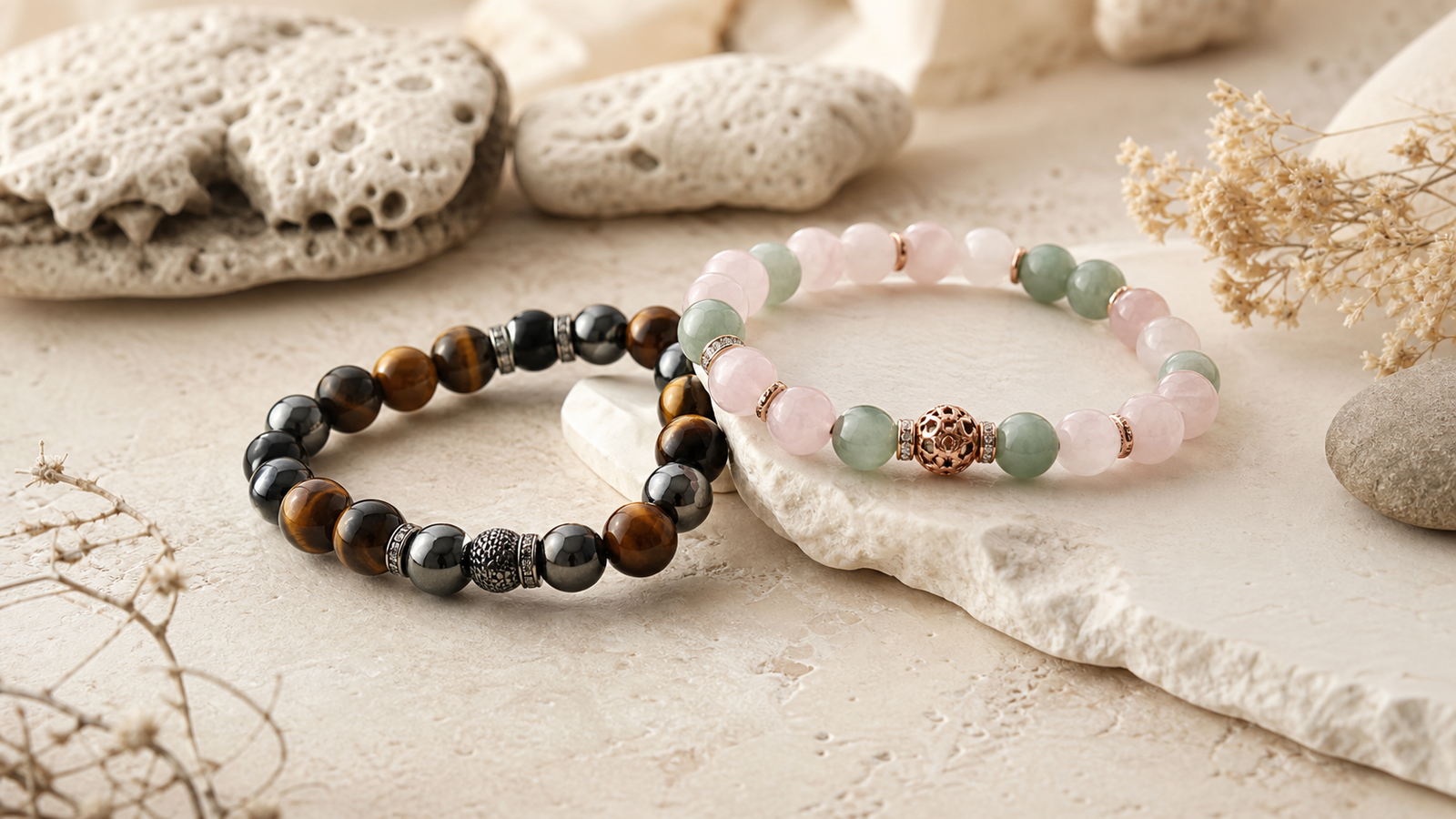
If you are asking how to clean a crystal bracelet after saltwater, begin by checking its beads and construction before using even a damp cloth. Saltwater, sand, and sun can leave residue and place extra stress on elastic, clasps, and polished surfaces. Cleaning it carefully after a beach day or ocean swim helps protect the jewelry without stripping its natural character. The safest approach is gentle: remove the bracelet before water whenever possible, then use minimal moisture and a soft cloth when it needs attention.
How to clean a crystal bracelet after saltwater: inspect first
Look for sand caught around a clasp, a loose bead, frayed elastic, chips, or a surface that feels rough. Do not pull hard on an elastic strand to remove grit. If the cord appears weak, keep the bracelet off the wrist until it can be restrung. Audday’s custom bracelet service can help plan a replacement or a better fit when the current strand no longer feels secure.
Use a soft, low-moisture method
Start with a dry microfiber or cotton cloth. If residue remains, lightly dampen one corner with clean water, wipe the beads gently, and dry the bracelet immediately with another soft cloth. Avoid salt scrubs, vinegar, bleach, alcohol, abrasive cleaners, ultrasonic devices, prolonged soaking, and strong heat. Natural stones differ in hardness, porosity, polish, and surface treatment, so read the gemstone material analysis before applying anything stronger than a soft cloth.
Protect elastic and metal accents
Salt and repeated wetting can make elastic less reliable and may dull metal accents. Keep the bracelet out of direct sun while it dries and do not leave it in a hot car. Store it in a soft pouch away from keys and harder jewelry. Remove stretch jewelry before swimming, showering, exercise, and sleep. For a new beach-friendly design, use Audday’s energy interpretation page as a color prompt, then browse the bracelet collection or request a custom fit.
Frequently asked questions
Can I rinse a crystal bracelet under tap water?
It is safer to avoid routine rinsing, especially for elastic, porous, treated, or delicate stones. Use a barely damp cloth instead.
What if sand is stuck in the clasp?
Do not force it. Let the piece dry and ask the maker or a jeweler for help.
When should the bracelet be replaced?
Consider restringing or replacement when you see fraying, weak tension, gaps, chips, or a clasp that no longer closes securely.
Start conservatively
Cleaning a crystal bracelet after saltwater exposure should begin with a conservative approach. Salt, sand, sun, and movement can affect beads, metal findings, coatings, elastic, and knots. Remove the bracelet as soon as practical, rinse only if the material guidance allows it, and avoid turning a beach day into a long soak. Unknown or porous materials should be treated gently with a dry or almost-dry cloth. The goal is to remove residue without forcing moisture into the construction.
Inspect after exposure
Inspect the bracelet before cleaning. Look for salt crystals, sand around bead holes, stretched elastic, loose knots, chipped edges, tarnish, or a clasp that no longer closes smoothly. If a bead is cracked or the cord has changed length, stop wearing it and ask the maker about repair. Do not pull the bracelet wide to test it. Saltwater can make a small weakness more noticeable, and a second stretch may cause a break.
Know the material
Natural gemstones vary in hardness, porosity, treatment, and surface finish. Some tolerate brief contact with clean water, while others should avoid soaking, salt, acids, heat, or chemicals. Treated, dyed, reconstructed, and synthetic materials may have different limits. Audday’s Gemstone Material Analysis explains why material identity and disclosure matter. If you do not know the bead material, choose the least invasive method and ask before using water or cleaner.
Begin with a dry wipe
For an unknown bracelet, start with a clean, soft, dry cloth. Hold the bracelet in your palm and wipe each bead slowly, turning the strand rather than pulling it. Use a second soft brush only for loose dry sand around a surface, never for aggressive scrubbing. Keep sand away from polished beads and watch for sharp grains that can scratch. A dry wipe may be enough when the bracelet was exposed briefly and no residue remains.
Use only approved water
If the material guidance allows a rinse, use clean lukewarm fresh water for a very short period rather than soaking the bracelet. Keep the strand supported and avoid high pressure. Do not rinse a bracelet with a clasp, porous beads, fragile coating, or unknown treatment unless the maker confirms compatibility. Immediately follow with a soft towel and let the piece dry flat. The amount of water matters less than controlling the time and drying completely.
Avoid harsh cleaners
Do not use soap, bleach, alcohol, vinegar, toothpaste, baking soda, abrasive powder, or household disinfectant as a shortcut. Salt residue does not require a strong chemical response, and these products can damage stone, dye, coating, metal, or elastic. Ultrasonic and steam cleaners are also poor defaults for mixed or unknown materials. Ask for material-specific guidance instead of applying a method designed for a different jewelry type.
Dry in the shade
Drying is as important as rinsing. Lay the bracelet flat on a clean towel in a shaded, ventilated place. Do not use a hair dryer, heater, radiator, or direct midday sun. Heat can affect elastic, coatings, and some treated materials. Do not hang a wet stretch bracelet because gravity can lengthen the cord. Turn the bracelet once or twice as it dries so hidden areas around knots and spacers receive air.
Check hidden sand
Sand and salt can hide around holes, knots, spacers, and clasp mechanisms. After the bracelet is dry, inspect those areas in good light. Do not push a pin or sharp tool into a hole. If dry particles remain and the material is hard and stable, use a very soft brush with almost no pressure. If the cord or coating looks vulnerable, stop and ask the maker. A small amount of remaining sand is safer than a punctured elastic strand.
Prevent repeat exposure
Saltwater exposure often happens with sunscreen, perfume, sweat, and heat. These combinations can leave a film and increase friction. Wipe the bracelet separately from a watch or leather strap so residue is not transferred. Remove jewelry before swimming, showering, sauna use, beach sports, or harsh cleaning whenever possible. A small pouch in a beach bag makes removal easier and protects the bracelet from keys, shells, and loose sand.
Match care to construction
Care decisions should follow the actual material rather than a generic crystal rule. Ask whether lapis, calcite-rich material, dyed stone, metal spacer, elastic, or coating has special limits. Audday’s Custom Bracelet process can account for water exposure when Liam prepares a design. Custom does not make a bracelet waterproof; it allows the routine and care requirements to be considered before assembly.
Keep symbolism honest
Saltwater care is physical maintenance, not an energy claim. Some wearers use cleaning as a moment to reflect on a goal, memory, or intention. That personal ritual is optional and should not be described as guaranteed cleansing, healing, or protection. Audday’s Energy Reading can be a reflective prompt, while the bracelet still needs sensible drying, storage, and inspection.
Store with documentation
Store the clean, fully dry bracelet in a soft pouch away from sharp metal jewelry and humid bathrooms. Keep the material list and design ID with the pouch. If the bracelet is a gift, include a short care card that says to remove it before saltwater exposure and to ask before using cleaners. Documentation helps with future repairs, resizing, and replacement beads, which may naturally vary from the original.
Use a post-beach checklist
Use a post-beach checklist: remove the bracelet, shake off loose sand without rubbing, inspect the cord and beads, choose a dry wipe or approved brief rinse, dry flat in shade, check hidden areas, and store separately. If anything feels loose, sharp, discolored, or sticky, stop wearing it. This routine is simple enough to repeat and avoids the common mistake of solving salt residue with too much water or too much pressure.
Audday’s handmade approach
Audday combines natural gemstone selection, color planning, and handmade assembly. Liam reviews the wearer’s routine, water exposure, fit, and construction before finalizing a design. The bracelet is a wearable accessory and personal reminder, not a guaranteed energy treatment. Honest care guidance protects the natural character of the material and the trust behind the purchase.
Prevent future damage
The safest saltwater habit is prevention: remove the bracelet before entering the sea or pool, keep it away from sand and heat, and store it dry. If exposure happens, use the least invasive cleaning method that the material allows. A calm inspection and clear care notes are more valuable than a strong cleaner. With gentle handling, many bracelets can remain attractive and comfortable after occasional beach days.
Frequently Asked Questions
Should I rinse a crystal bracelet after saltwater?
Only if the specific material and construction tolerate brief fresh water. Unknown, porous, treated, or delicate pieces should start with a dry or almost-dry cloth and maker guidance.
Can saltwater damage elastic or metal findings?
It can contribute to residue, corrosion, tarnish, or weakening, especially with heat, sand, and repeated exposure. Remove the bracelet before swimming when possible.
What cleaner should I use after the beach?
Do not use household cleaners by default. Use a soft cloth and material-specific guidance; avoid bleach, alcohol, acids, abrasives, and prolonged soaking.
How should I dry the bracelet?
Lay it flat on a clean towel in shade and ventilation. Avoid direct heat, hair dryers, radiators, and hanging a wet stretch bracelet.
Start conservatively
Cleaning a crystal bracelet after saltwater exposure should begin with a conservative approach. Salt, sand, sun, and movement can affect beads, metal findings, coatings, elastic, and knots. Remove the bracelet as soon as practical, rinse only if the material guidance allows it, and avoid turning a beach day into a long soak. Unknown or porous materials should be treated gently with a dry or almost-dry cloth. The goal is to remove residue without forcing moisture into the construction.
Inspect after exposure
Inspect the bracelet before cleaning. Look for salt crystals, sand around bead holes, stretched elastic, loose knots, chipped edges, tarnish, or a clasp that no longer closes smoothly. If a bead is cracked or the cord has changed length, stop wearing it and ask the maker about repair. Do not pull the bracelet wide to test it. Saltwater can make a small weakness more noticeable, and a second stretch may cause a break.
Know the material
Natural gemstones vary in hardness, porosity, treatment, and surface finish. Some tolerate brief contact with clean water, while others should avoid soaking, salt, acids, heat, or chemicals. Treated, dyed, reconstructed, and synthetic materials may have different limits. Audday’s Gemstone Material Analysis explains why material identity and disclosure matter. If you do not know the bead material, choose the least invasive method and ask before using water or cleaner.
Begin with a dry wipe
For an unknown bracelet, start with a clean, soft, dry cloth. Hold the bracelet in your palm and wipe each bead slowly, turning the strand rather than pulling it. Use a second soft brush only for loose dry sand around a surface, never for aggressive scrubbing. Keep sand away from polished beads and watch for sharp grains that can scratch. A dry wipe may be enough when the bracelet was exposed briefly and no residue remains.
Use only approved water
If the material guidance allows a rinse, use clean lukewarm fresh water for a very short period rather than soaking the bracelet. Keep the strand supported and avoid high pressure. Do not rinse a bracelet with a clasp, porous beads, fragile coating, or unknown treatment unless the maker confirms compatibility. Immediately follow with a soft towel and let the piece dry flat. The amount of water matters less than controlling the time and drying completely.
Avoid harsh cleaners
Do not use soap, bleach, alcohol, vinegar, toothpaste, baking soda, abrasive powder, or household disinfectant as a shortcut. Salt residue does not require a strong chemical response, and these products can damage stone, dye, coating, metal, or elastic. Ultrasonic and steam cleaners are also poor defaults for mixed or unknown materials. Ask for material-specific guidance instead of applying a method designed for a different jewelry type.
Dry in the shade
Drying is as important as rinsing. Lay the bracelet flat on a clean towel in a shaded, ventilated place. Do not use a hair dryer, heater, radiator, or direct midday sun. Heat can affect elastic, coatings, and some treated materials. Do not hang a wet stretch bracelet because gravity can lengthen the cord. Turn the bracelet once or twice as it dries so hidden areas around knots and spacers receive air.
Check hidden sand
Sand and salt can hide around holes, knots, spacers, and clasp mechanisms. After the bracelet is dry, inspect those areas in good light. Do not push a pin or sharp tool into a hole. If dry particles remain and the material is hard and stable, use a very soft brush with almost no pressure. If the cord or coating looks vulnerable, stop and ask the maker. A small amount of remaining sand is safer than a punctured elastic strand.
Prevent repeat exposure
Saltwater exposure often happens with sunscreen, perfume, sweat, and heat. These combinations can leave a film and increase friction. Wipe the bracelet separately from a watch or leather strap so residue is not transferred. Remove jewelry before swimming, showering, sauna use, beach sports, or harsh cleaning whenever possible. A small pouch in a beach bag makes removal easier and protects the bracelet from keys, shells, and loose sand.
Match care to construction
Care decisions should follow the actual material rather than a generic crystal rule. Ask whether lapis, calcite-rich material, dyed stone, metal spacer, elastic, or coating has special limits. Audday’s Custom Bracelet process can account for water exposure when Liam prepares a design. Custom does not make a bracelet waterproof; it allows the routine and care requirements to be considered before assembly.
Keep symbolism honest
Saltwater care is physical maintenance, not an energy claim. Some wearers use cleaning as a moment to reflect on a goal, memory, or intention. That personal ritual is optional and should not be described as guaranteed cleansing, healing, or protection. Audday’s Energy Reading can be a reflective prompt, while the bracelet still needs sensible drying, storage, and inspection.
Store with documentation
Store the clean, fully dry bracelet in a soft pouch away from sharp metal jewelry and humid bathrooms. Keep the material list and design ID with the pouch. If the bracelet is a gift, include a short care card that says to remove it before saltwater exposure and to ask before using cleaners. Documentation helps with future repairs, resizing, and replacement beads, which may naturally vary from the original.
Use a post-beach checklist
Use a post-beach checklist: remove the bracelet, shake off loose sand without rubbing, inspect the cord and beads, choose a dry wipe or approved brief rinse, dry flat in shade, check hidden areas, and store separately. If anything feels loose, sharp, discolored, or sticky, stop wearing it. This routine is simple enough to repeat and avoids the common mistake of solving salt residue with too much water or too much pressure.
Audday’s handmade approach
Audday combines natural gemstone selection, color planning, and handmade assembly. Liam reviews the wearer’s routine, water exposure, fit, and construction before finalizing a design. The bracelet is a wearable accessory and personal reminder, not a guaranteed energy treatment. Honest care guidance protects the natural character of the material and the trust behind the purchase.
Prevent future damage
The safest saltwater habit is prevention: remove the bracelet before entering the sea or pool, keep it away from sand and heat, and store it dry. If exposure happens, use the least invasive cleaning method that the material allows. A calm inspection and clear care notes are more valuable than a strong cleaner. With gentle handling, many bracelets can remain attractive and comfortable after occasional beach days.
Frequently Asked Questions
Should I rinse a crystal bracelet after saltwater?
Only if the specific material and construction tolerate brief fresh water. Unknown, porous, treated, or delicate pieces should start with a dry or almost-dry cloth and maker guidance.
Can saltwater damage elastic or metal findings?
It can contribute to residue, corrosion, tarnish, or weakening, especially with heat, sand, and repeated exposure. Remove the bracelet before swimming when possible.
What cleaner should I use after the beach?
Do not use household cleaners by default. Use a soft cloth and material-specific guidance; avoid bleach, alcohol, acids, abrasives, and prolonged soaking.
How should I dry the bracelet?
Lay it flat on a clean towel in shade and ventilation. Avoid direct heat, hair dryers, radiators, and hanging a wet stretch bracelet.
What to do when the finish has changed
After saltwater exposure, a bracelet may feel gritty, look dull, or show a slight change around metal findings. Do not polish aggressively or assume that a stronger cleaner will restore the original appearance. Photograph the bracelet in good light, note the exposure time, and contact the maker with the material list and design ID. A professional can tell whether the surface needs a gentle treatment, a replacement bead, a new clasp, or restringing. If the bracelet includes a coating or dye, home rubbing may remove more material than the salt itself. Keep the piece dry while waiting for guidance and avoid wearing it during another swim or beach activity. Natural variation can make before-and-after comparisons difficult, so clear photos and accurate descriptions help. A responsible repair may preserve the original layout while using naturally different replacement material. The priority is safe construction and honest expectations, not forcing every bead to look factory-new.
A quick after-beach sequence for a crystal bracelet
How to clean a crystal bracelet after saltwater depends on the actual beads, cord, and metal parts, but a conservative sequence helps avoid making a small problem worse. First take the bracelet off and check whether it is merely covered in dry salt spray or has been fully submerged. Second remove loose sand without grinding it against polished beads. Third wipe with a clean, soft cloth; use only a barely damp corner for residue that will not lift dry. Fourth dry every bead, clasp, and cord area promptly. Finally leave the bracelet in a shaded, ventilated place before storing it. Do not put a wet strand into a closed pouch.
That sequence is intentionally more restrained than a universal “rinse all crystals” instruction. Beads can differ in surface treatment, porosity, polish, and construction. Elastic, glue, metal findings, and decorative coatings can also respond differently to water. When the material is uncertain, avoid soaking, ultrasonic cleaning, steam, vinegar, salt scrubs, and harsh detergent. If a maker supplied specific care instructions for the exact materials, follow those instructions over a generic article. The safest action may be to ask a jeweler before adding any more moisture.
Separate salt residue from physical damage
Salt on the surface may appear as a light film after sea spray dries. Sand caught between beads may feel gritty. Neither condition is the same as a chipped bead, rough hole, loose clasp, or failing elastic. Rotate the bracelet slowly under good light. If a bead is cracked or has a sharp edge, do not rub harder in an attempt to “clean” it. If a cord is stretched, frayed, or exposed near a bead hole, cleaning will not restore its strength. Put the bracelet aside and request repair advice.
For a clasped bracelet, examine the closure and any metal spacer from several angles. A small grain of sand can obstruct movement; forcing the clasp may bend it. Use a soft brush only if the material and finish permit gentle dry removal, then test the clasp without pulling on the bead strand. If resistance remains, stop. For a stretch bracelet, never pull beads apart to reach grit inside a hole. That tension can damage the cord. A careful inspection is often more valuable than a fast cosmetic wipe.
Drying is part of cleaning
After wiping, dry the bracelet with a separate soft cloth and allow air to reach the cord and bead holes. Avoid a hot hair dryer, direct midday sun, or a closed car. Heat can affect elastic and some surface finishes, while trapped moisture can leave residue around metal components. Lay the bracelet flat rather than hanging it from one point. Before storing it, check that the pouch and bracelet both feel dry. If you can still see film, repeat only the gentlest appropriate step instead of escalating to a chemical cleaner.
Do not treat a bracelet as “waterproof” merely because the beads themselves are relatively durable. A finished object includes more than the mineral: drilled holes, stringing material, knot or crimp, optional glue, and metal findings. The weak point may be one of those components. Audday’s gemstone material analysis provides a starting framework for asking about bead properties, but the complete bracelet’s construction still determines the care decision.
Make the next beach day easier
Pack a small pouch for the bracelet before going near the water. Remove it before swimming, wading, applying sunscreen, or handling a salty towel. This is easier than trying to reverse repeated exposure afterward. If the bracelet is part of an everyday stack, leave the gemstone strands together in the pouch rather than wearing one into the sea because it “looks tougher.” Even a dark, opaque bead does not reveal all treatment and construction details by appearance.
When requesting a replacement or a new design, tell the maker about your routine honestly. Audday’s handmade work grew from the colored-gemstone craft environment of Haifeng, Shanwei, Guangdong, and a practical brief helps us choose bead scale, fit, and finishing for real use. We can help with a wearable design, but we should not promise that a natural-stone bracelet is suitable for ocean exposure. Use the energy reading as an optional color or intention prompt, then use the custom bracelet page to give a wrist measurement and material preferences.
A beach memory can still be the meaning of the bracelet without wearing it into saltwater. A note, a color palette inspired by the coast, or a pale bead paired with a darker anchor can carry the association. This is a creative choice, not a protective or healing claim. The physical object will last better when handled according to its materials and construction.
When to ask for help
If the bracelet was submerged for a long time, has visibly damaged beads, a corroded or unreliable clasp, or elastic that no longer returns to its shape, consult a jeweler or the original maker. Do not conceal that history when asking for repair; the exposure may affect the recommended work. If the bracelet is sentimental, ask whether the original beads can be preserved and restrung safely. Keeping a clear record of what happened is more helpful than trying several home treatments without knowing the materials.