

Crystal Bracelet Guides
How to Restring a Crystal Bracelet: Signs, Materials, and Care

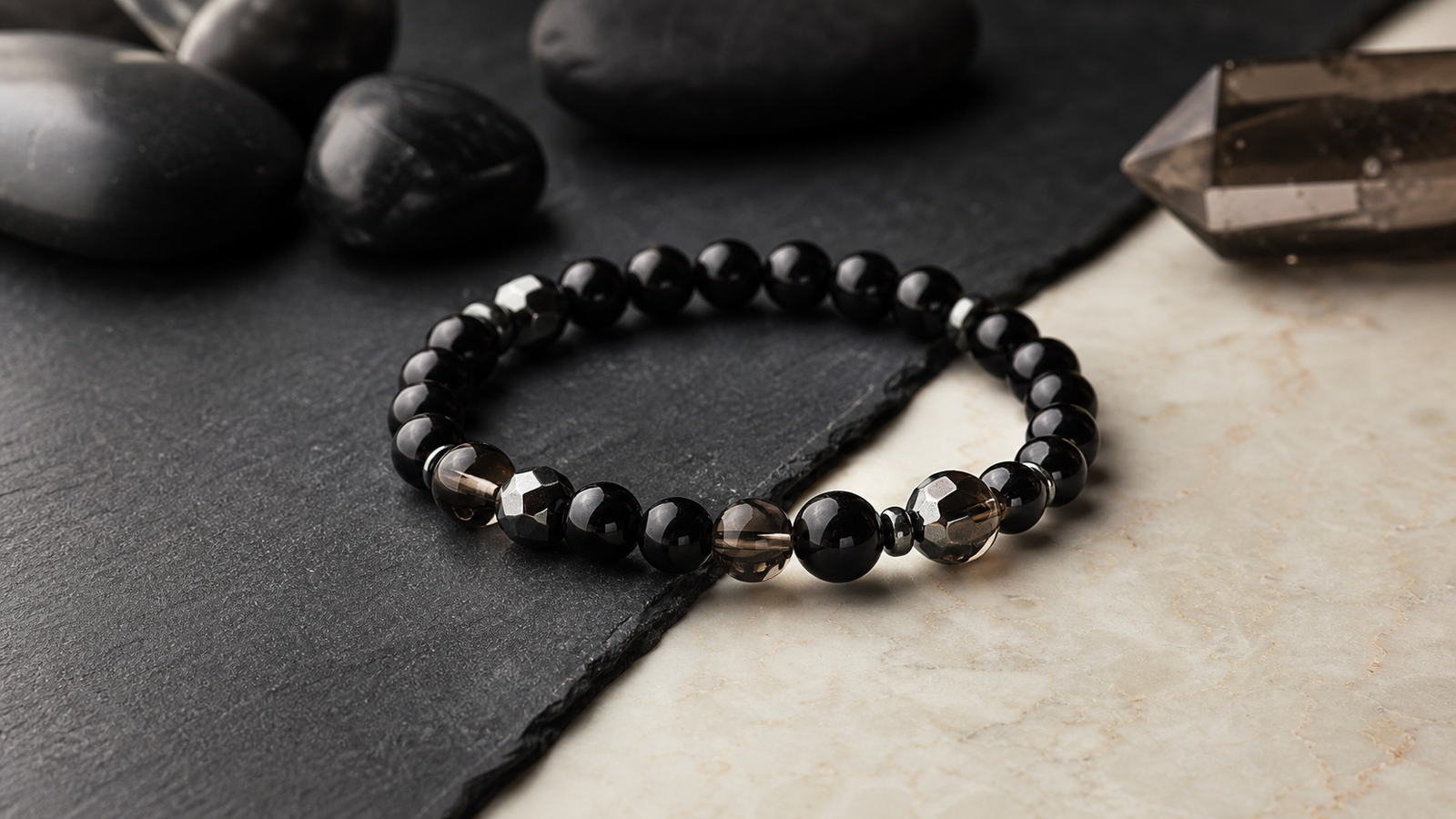
How to Restring a Crystal Bracelet: Signs, Materials, and Care
Knowing how to restring a crystal bracelet helps you protect the beads and memories in a piece you wear often. Elastic can gradually stretch, fray, or lose resilience, especially if a bracelet is pulled hard over the hand, worn in water, or exposed to perfume and household chemicals. Restringing is a practical jewelry-maintenance step, not a sign that natural gemstone beads have lost meaning. Audday’s handmade approach starts with fit, material handling, and a design that can be enjoyed in everyday life.
When should a crystal bracelet be restrung?
Check the cord whenever you notice gaps between beads, visible thinning, fraying near the knot, persistent overstretching, or a fit that has become much looser. Stop wearing the bracelet if the elastic looks damaged; it is safer to restrain it before beads are lost. A bracelet that receives frequent wear, travel, or water exposure may need attention sooner than a piece used occasionally. Natural stones can chip if dropped, so work over a tray or soft towel when inspecting the strand.
Choose the right restringing approach
For a simple elastic bracelet, use jewelry-grade stretch cord that matches the bead-hole size and can be doubled when appropriate. Photograph the original layout before cutting the old cord, then line the beads in order. Check each bead hole gently rather than forcing a needle or cord through it. If the bracelet has a clasp, wire, very small holes, fragile beads, or a complicated mixed-stone pattern, a professional restring may be the safer choice. Audday’s custom energy interpretation page can help you reconsider the color story, while the custom bracelet page is available if you want a refreshed handmade design.
Care while restringing natural gemstone beads
Work on a clean, dry surface and avoid soaking the beads to clean them. A soft dry cloth is usually enough before reassembly. Keep metal components, spacers, and beads arranged separately so you can inspect wear before threading. Do not pull elastic to its maximum length while tying; a measured, comfortable fit will last better than a cord held under constant tension. Audday grew from the gemstone craft tradition of Haifeng, Shanwei, Guangdong, where selection, drilling, polishing, and assembly are handled with respect for natural variation. Explore the bracelet collection if you need inspiration for a new balance of stones and bead sizes.
Aftercare for a newly restrung bracelet
Let knots settle according to the cord manufacturer’s instructions and test the bracelet slowly before wearing it out. Avoid chlorine, long showers, harsh cleaners, and high-impact activities. Store it in a soft pouch and inspect the cord occasionally. Crystal jewelry can carry a personal or cultural story, but it does not replace professional medical, psychological, legal, or financial advice.
Frequently asked questions
How do I know if bracelet elastic is worn out?
Look for fraying, thinning, gaps, loss of stretch, or a noticeably loose fit, then stop wearing the bracelet until it is repaired.
Can every crystal bracelet be restrung at home?
No. A simple elastic strand may be suitable, but clasps, fragile beads, tiny holes, and complex designs may need professional help.
Should I clean beads in water before restringing?
Use a soft dry cloth first. Avoid soaking mixed-material bracelet beads or using chemicals unless a qualified jeweler confirms it is safe.