

Crystal Bracelet Guides
How to Store a Crystal Bracelet: Simple Care for Beads and Elastic

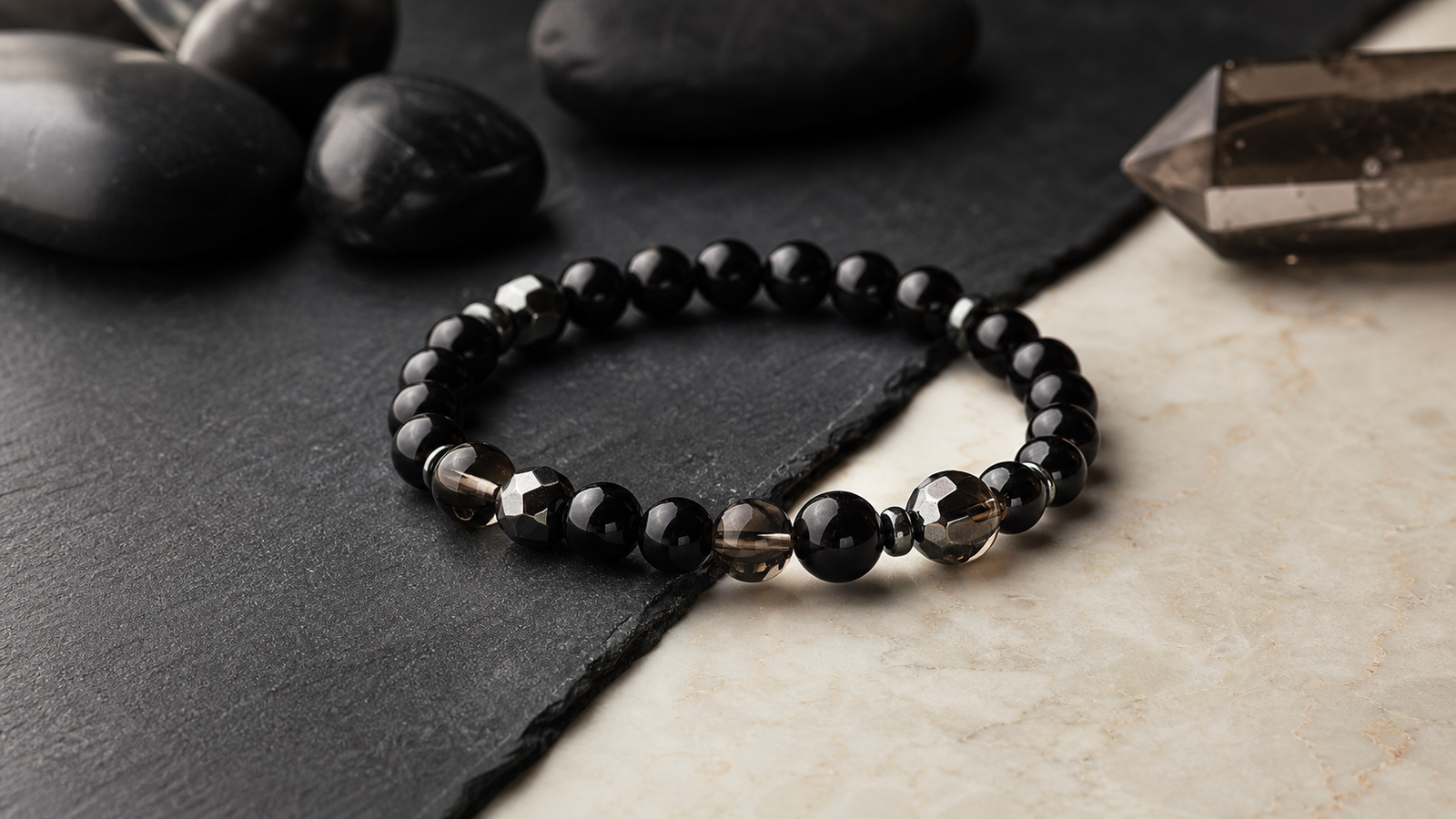
How to Store a Crystal Bracelet: Simple Care for Beads and Elastic
Knowing how to store a crystal bracelet helps protect the natural gemstone beads, elastic, metal details, and the shape of a handmade design between wears. The simplest method is usually best: keep the bracelet clean and dry, place it in a soft pouch or lined compartment, and avoid contact with hard jewelry, fragrance, cleaners, humidity, or strong sun. A few careful habits can preserve polish and reduce unnecessary strain on stretch cord.
Choose a dry, separate place for crystal bracelet storage
A fabric pouch, divided jewelry box, or lined drawer compartment works well because it limits rubbing and keeps the bracelet from tangling with chains or sharp settings. Avoid a bathroom shelf, a hot car, a window ledge, or an open dish near perfume and hair products. Natural gemstone beads can vary in hardness and surface finish, so separate storage is kinder than letting pieces knock together. For a closer look at material character, visit Audday’s gemstone material analysis page.
Store elastic bracelets without stretching the cord
Take off a stretch bracelet gently instead of pulling it over the hand. Lay it in its natural circle inside the pouch; do not wind it tightly around a box, bottle, or hook. Inspect the cord after travel or frequent wear. If it looks frayed, loose, or overstretched, pause wearing it until it can be restrung. Use the custom energy interpretation page to organize a color or stone direction, then create a custom bracelet with a fit suited to your routine.
Care for handmade natural gemstone jewelry
Audday makers select, balance, and string natural beads by hand, informed by the colored-gemstone craft tradition of Haifeng, Shanwei, Guangdong. Browse the bracelet collection for wearable material ideas. Before storage, wipe beads with a soft dry cloth and remove residue from sunscreen, sweat, or fragrance; do not soak a mixed-material stretch bracelet or use household cleaners. Crystal symbolism can be a personal ritual, but it is not medical or professional advice.
Frequently asked questions
Can I store bracelets together?
Use separate pouches or lined dividers so surfaces do not rub together.
What should I avoid?
Avoid humidity, chemicals, prolonged direct sun, and hard impacts.
How often should I check elastic?
Check it regularly and after travel or heavy wear.
Start with a clean piece
Knowing how to store a crystal bracelet protects beads, elastic, clasps, coatings, and the story attached to the design. Storage is not only a visual issue. Heat, humidity, friction, dust, sunlight, and weight from other jewelry can create avoidable wear. Start by cleaning the bracelet gently according to its material, allowing it to dry fully, and choosing a place that is cool, dry, and separate from sharp objects. A simple routine can extend the useful life of both natural and treated materials.
Dry before storage
Clean before long-term storage. Wipe the bracelet with a soft dry cloth and remove visible lotion, sunscreen, sweat, salt, or dust. If a damp cloth is allowed for the material, use very little water and dry immediately. Never store a wet or gritty bracelet in a closed pouch because trapped moisture and particles can create odor, tarnish, or friction. Inspect the cord, knots, clasp, bead holes, and coatings before putting the piece away.
Know the material
Natural gemstones vary in porosity, hardness, treatment, and surface character. Some should avoid prolonged water, sunlight, heat, acids, or chemicals. Treated, dyed, reconstructed, and synthetic materials can have different limits. Audday’s Gemstone Material Analysis explains why material identity and care guidance matter. If you do not know the bead material, use a soft dry cloth, avoid direct sunlight and humidity, and ask the maker before applying a cleaner.
Choose a soft compartment
Choose a soft pouch, lined jewelry box, or divided drawer. The storage surface should not contain rough wood, loose grit, sharp metal, or unfinished edges. Keep each bracelet in its own compartment when possible. If several pieces share a box, use soft dividers so hard beads and metal findings do not rub against one another. Do not place a bracelet loose in a pocket with keys, chargers, coins, or tools.
Control heat and sunlight
Control heat and sunlight. Avoid windowsills, car dashboards, radiators, hair-tool drawers, and attic boxes that experience temperature swings. Direct sun can fade some dyes, coatings, or sensitive materials, while heat can affect elastic and adhesives. A stable indoor drawer is usually safer than a decorative bowl in full daylight. If the bracelet is displayed, rotate it and inspect the surface rather than leaving it exposed indefinitely.
Reduce humidity
Humidity matters as much as visible water. Bathrooms, kitchens, beach bags, and damp gym lockers can hold moisture around knots, clasps, and porous beads. Store the bracelet away from showers, sinks, and humidifiers. If a pouch becomes damp, remove the bracelet and let both pieces dry separately. Do not seal a bracelet in plastic for long periods unless it is fully dry and the material guidance supports that method.
Let elastic rest
Give elastic room to rest. Do not hang a stretch bracelet from a hook or pull it over a storage peg because gravity and tension can lengthen the cord. Lay it flat or place it in a loose circle without sharp bends. Adjustable cords and clasps should be closed or arranged so they do not snag neighboring jewelry. Inspect the bracelet after long storage before stretching it over the hand.
Separate surfaces
Separate harder and softer surfaces. A rough bead, metal charm, or faceted edge can scratch a softer stone or polished watch case. Use a soft cloth divider and keep heavy pieces in their own compartment. If the bracelet has a delicate coating or visible pyrite, pearl-like material, calcite, or dyed surface, use extra space and avoid rubbing. Storage should reduce movement, not compress the pieces together.
Keep documentation
Long-term storage should include documentation. Keep the material list, purchase date, care notes, design ID, and a final photograph with the pouch. If the bracelet needs restringing or resizing, these records help the maker preserve bead order and color balance. Natural replacement beads may vary, so an accurate original record is more useful than memory. A gift recipient can keep the care card for future reference.
Match storage to routine
Consider daily routines. Someone who wears a bracelet while traveling may need a compact pouch with a soft divider. Someone who removes jewelry at work may prefer a drawer insert. A person who exercises or swims should have a dry place ready before activities begin. Tell the maker about water, heat, fragrance, impact, and frequent hand washing when ordering. Audday’s Custom Bracelet process can account for these conditions before assembly.
Keep symbolism grounded
Storage can support an intention without becoming a supernatural claim. Place the bracelet beside a journal or on a nightstand if that helps you remember a reflection practice, but avoid humid bathrooms or direct sunlight. Audday’s Energy Reading can serve as a personal prompt; the physical object still needs ordinary jewelry care. Symbolic meaning and practical maintenance can exist together.
Avoid storage shortcuts
Avoid common storage shortcuts. Do not wrap a bracelet tightly in plastic film, place it in a damp cloth, bury it in loose sand, or store it under heavy objects. Do not add unverified oils, salt, cleaners, or crystals to the pouch. Do not use a pin to clear a hole or knot. If the bracelet looks sticky, dull, loose, or cracked, pause storage experiments and ask the maker or a qualified jeweler.
Inspect monthly
Use a monthly inspection for frequently worn pieces. Check the fit, elastic, knots, clasp, spacer movement, bead edges, and surface changes. Gently roll the bracelet between your fingers without stretching it. If the circumference has grown or the cord feels brittle, stop wearing it and request repair. Regular inspection is easier than discovering a broken strand after the bracelet has been stored with valuable jewelry.
Prepare a gift pouch
For a gift, include a pouch, material list, care card, and one sentence explaining why the bracelet was chosen. The recipient should know to store it dry, separate, and away from heat and chemicals. Avoid promising that a particular storage ritual will cleanse, charge, or guarantee protection. Clear instructions build trust and make the handmade design easier to enjoy.
Audday’s handmade approach
Audday combines natural gemstone selection, color planning, and handmade assembly. Liam considers material character, fit, construction, and daily routine before finalizing a bracelet. The result is a wearable accessory and personal reminder, not a guaranteed energy treatment. Honest storage guidance protects the natural variation that makes a handmade design individual.
Use a simple system
The best storage method is simple: clean gently, dry completely, separate the bracelet, control heat and humidity, avoid compression, and keep the care record nearby. With a cool drawer, soft divider, and occasional inspection, most avoidable friction and tension can be reduced. Good storage does not hide the bracelet forever; it helps the piece return to the wrist in comfortable condition whenever the wearer is ready.
Frequently Asked Questions
Where is the best place to store a crystal bracelet?
Use a cool, dry drawer, lined box, or soft pouch away from direct sunlight, heat, humidity, and sharp jewelry.
Should I store a bracelet in plastic?
Only when it is completely dry and the material guidance supports it. Long-term sealed plastic can trap moisture, so a breathable soft pouch is usually safer.
Can I hang a stretch bracelet?
Avoid hanging it because tension and gravity can lengthen the elastic. Lay it flat or place it in a loose circle.
How often should I inspect stored jewelry?
Check frequently worn pieces monthly and inspect after long storage before stretching them over the hand. Look for loose cord, clasps, chips, or surface changes.
Prepare storage before you need it
Storage works best when the pouch is ready before the bracelet is removed. Keep a soft compartment near the place where the wearer takes off jewelry, and keep a second pouch in a travel or gym bag. If the bracelet comes home damp or sandy, place it on a clean towel first rather than closing it immediately. Let the material, cord, clasp, and pouch dry separately. Once the piece is dry, check the fit and surface before storing it in a loose circle. If the bracelet has a design card, photograph, or material list, keep those records in the same drawer but not pressed against the beads. When a bracelet is stored for a season, inspect it once a month without stretching the elastic. Look for odor, tarnish, sticky coating, loose knots, and changes in circumference. A small note about where and when the piece was stored can help identify a routine that causes repeated wear. Good preparation turns storage into a short habit instead of an emergency response after damage appears.