

Crystal Bracelet Guides
Single-Stone vs Mixed-Stone Bracelet: How to Choose a Balanced Design

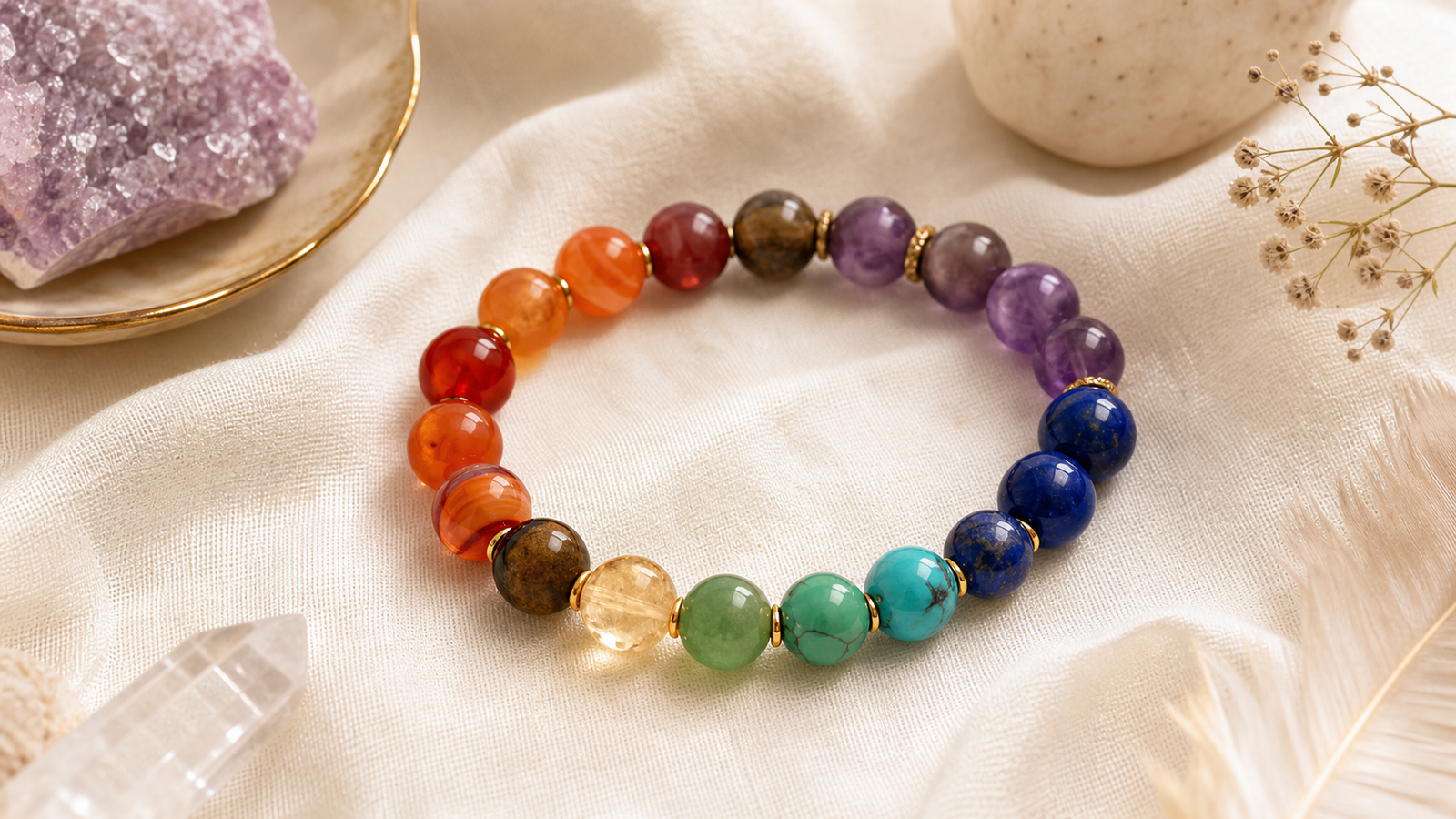
When choosing a single-stone vs mixed-stone bracelet, start with how much visual direction you want the jewelry to provide. A single-stone bracelet lets one natural material, color, and pattern lead the design; a mixed-stone bracelet creates contrast and can tell a more detailed gift or personal story. Neither is automatically more meaningful. The better choice depends on the wearer’s wardrobe, existing watch or rings, desired bead size, and comfort with color. Audday’s handmade process keeps the decision grounded in natural gemstone variation and a custom fit rather than promises about what a stone will do.
Single-stone bracelet: a clear material focus
A single-stone bracelet is often the easiest daily option. Labradorite, garnet, sodalite, or smoky quartz can each create a distinct direction without needing additional colors. Natural beads still vary in shade, inclusions, and pattern, so a one-stone bracelet need not look flat or factory-made. It can suit someone who prefers minimal jewelry, wants an easy match with a watch, or is choosing a first gemstone piece. Pick a bead size that feels proportional to the wrist and familiar alongside their usual accessories.
Mixed-stone bracelet: controlled contrast
Mixed stones work best when there is a deliberate visual rule: one main color, one lighter accent, and perhaps a neutral spacer. For example, clear quartz can brighten a blue-gray palette, while a small red or gold-toned detail can mark a meaningful date. Review natural material differences on the gemstone material analysis page before deciding that every bead must match. Use Audday’s custom energy interpretation page to translate the occasion, preferred palette, and styling needs into a concise brief, then create a custom bracelet with a balanced sequence.
Fit, handmade finishing, and care
Audday makers hand-select and string natural gemstone beads, informed by the colored-gemstone craft tradition of Haifeng, Shanwei, Guangdong. Explore the bracelet collection to compare simple and layered directions. For either style, remove stretch jewelry before water, exercise, and household cleaning; store it separately and wipe it with a dry soft cloth. Stone associations can be part of a personal story, but they do not guarantee protection, success, health, or other outcomes.
Frequently asked questions
Which style makes a safer gift?
A single-stone design is often simplest when you do not know the recipient’s jewelry preferences; mixed stones work well when you know their colors.
How many stones should a mixed bracelet use?
Two or three coordinated materials usually create enough contrast while keeping the bracelet visually coherent.
Can a custom design use a symbolic color?
Yes. Use the color as a personal reference in the gift message rather than a promise of an outcome.
Single-stone vs mixed-stone bracelet: choosing for 2026 styling
A single-stone vs mixed-stone bracelet decision is both a styling choice and a practical one. A single stone creates a quiet focal point; a mixed bracelet can tell a more layered story through color, texture, and proportion. Current jewelry direction is moving toward expressive color and personal meaning, but the right design is the one you will actually wear. Audday treats trend awareness as a starting point, then adapts it to your wrist, wardrobe, and intention.
What the current trend evidence says
In 2026 trend reports, Stuller highlights colorful gemstone jewelry, personalization, and expressive statement forms. See its colorful gemstone trend report and 2026 jewelry trends release, accessed October 13, 2026. These sources describe industry direction, not a forecast of what every buyer should purchase. Our editorial boundary is simple: trends can inspire a palette, but they do not prove a stone has a medical, protective, or financial effect.
When one stone is the better choice
Choose one stone when you want an uncluttered look, an easy match with neutral clothing, or a simple symbolic reminder. A single material also makes surface texture and natural variation easier to appreciate. It is a strong option for a first bracelet, a professional wardrobe, or a gift where the message should be immediately clear. Liam can vary bead size or add a discreet metal accent without losing the single-stone character.
When a mixed design adds value
Mixed stones work when you want contrast, a more colorful 2026-inspired look, or several personal references in one piece. Use one dominant stone and two supporting tones instead of giving every bead equal visual weight. Repeating a color at intervals creates rhythm, while a neutral spacer prevents the bracelet from looking crowded. If the materials need deeper comparison, review Audday’s gemstone material analysis before requesting a custom bracelet.
How Audday balances craft and symbolism
We document natural-stone variation, check the fit, and hand-finish each arrangement. Symbolic language stays responsible: a bracelet can represent a goal or memory, but it is not a substitute for medical, legal, or financial advice. Pair your design brief with an energy reading if you want a reflective starting point, then let comfort and construction guide the final decision.
FAQ: single vs mixed stone bracelets
Is a single-stone bracelet more powerful?
There is no verified measure of power. A single stone simply gives the design a clearer visual and symbolic anchor.
How many stones should a mixed bracelet use?
One dominant stone plus one or two supporting tones is usually easier to style than many equal accents.
Are colorful gemstone trends worth following?
They can inspire color and proportion, but choose based on your wardrobe, comfort, and personal meaning.
Can Audday help me compare materials?
Yes. Use the material analysis guide and custom bracelet consultation to compare texture, size, and care needs.
A practical decision framework
Begin with the setting where the bracelet will be worn. If it needs to work with a watch, a single-stone design often creates a cleaner line. If it will be stacked with other bracelets, a mixed design can echo one color from the stack while adding a second texture. Consider the scale of the wrist as well. Ten-millimeter beads make a confident statement, while six- or eight-millimeter beads usually feel lighter for all-day wear. Audday can adjust the count and diameter so the bracelet does not rotate excessively or feel tight.
Next, write one sentence that describes the role of the bracelet. “I want a quiet blue reminder to slow down” calls for a different design from “I want a lively gift that reflects three family members.” This sentence keeps the selection grounded when many stones look appealing. Liam uses it as a design brief, then chooses materials that support the visual story rather than assigning an exaggerated promise to any one gemstone.
Color, texture, and durability
Color is the most obvious difference between one-stone and mixed-stone bracelets, but surface texture matters just as much. Polished beads catch light and feel smooth against the skin. Matte finishes create a softer, quieter appearance. Naturally patterned stones can add movement without adding a second material. When mixing textures, place the rougher visual near the center and keep the wrist-facing surfaces comfortable. Ask about care before ordering because some stones and finishes are more sensitive to chemicals, heat, or prolonged moisture.
Durability also depends on how the bracelet is worn. Stretch bracelets should not be pulled far beyond the wrist, and they should be removed for swimming, showering, or activities that may snag the cord. A mixed bracelet is not automatically less durable, but more components mean more surfaces to inspect. Audday checks the drilling, edges, spacers, and cord tension before dispatch. If a bracelet shows a loose cord or chipped bead, stop wearing it and request an assessment instead of attempting an improvised repair.
Gifting and personal symbolism
For a gift, a single stone can communicate a focused idea that is easy to explain on a small card. A mixed bracelet can represent a relationship, a journey, or several values held together. Neither format is more meaningful by default. The most successful gift is one that matches the recipient’s taste and gives them room to create their own interpretation. Use language such as “a reminder of patience” or “chosen for its ocean color,” rather than saying the bracelet will guarantee protection, healing, wealth, or a specific life result.
When a recipient is new to crystals, a single-stone bracelet is often approachable. Include the name of the stone, its care instructions, and a short note about why you selected it. For an experienced collector, a mixed design may fill a gap in an existing palette. Liam can also create a modular feel with repeat spacers or one small charm, allowing the owner to recognize the design without reading a long explanation.
Ordering a custom comparison
If you are unsure, send Audday a photograph of the clothes or jewelry the wearer uses most. Mention the wrist measurement, preferred bead size, metal sensitivities, and whether the bracelet will be worn alone or stacked. A custom consultation can compare two sketches: a single-stone version and a mixed-stone version using the same focal material. Review the material analysis guide for color, texture, and care notes, then use the custom bracelet page to request the final arrangement. An optional energy reading can help frame the personal intention, while the construction decision remains based on fit and craft.
Audday’s approach is deliberately transparent. Natural stones vary, trend reports are directional rather than prescriptive, and symbolic language is personal. We show the materials, explain the process, and let the wearer decide what the bracelet means. That combination of evidence, craft, and restraint is what makes a design easier to wear for years rather than for one photograph.
Final checks before you choose
Read the care requirements beside the outfit and occasion. A bracelet that will travel often may benefit from a simple polished surface and fewer delicate accents. A piece intended for a celebration can carry more color or a sculptural focal bead. Check the closure, the stretch, and the return or adjustment policy, then confirm the wrist measurement one more time. Small decisions about fit usually matter more than chasing a short-lived color story.
Finally, ask whether the design still looks right without an explanation. If it does, the symbolism can remain a private layer rather than a sales promise. That is the standard Liam uses at Audday: a natural-stone bracelet should be attractive first, comfortable second, and meaningful in a way the wearer is free to define.
For couples and families, the two formats can also be used together: one person may prefer a quiet single-stone bracelet while another chooses a brighter mixed arrangement. Matching one bead color creates a visual connection without making the pieces identical. This is a thoughtful way to mark a birthday, graduation, or shared trip while respecting different tastes. Ask Audday to coordinate the palette, and keep each person’s sizing and comfort separate.
Keep the final brief simple: desired mood, bead size, wrist measurement, preferred colors, and any care constraints. A clear brief lets a maker solve the design instead of guessing. It also makes future repairs or reorders easier because the material story is documented. Whether you choose one stone or several, that record turns a beautiful purchase into a considered piece of personal jewelry.
Choose carefully, wear comfortably, and let the design evolve with you.